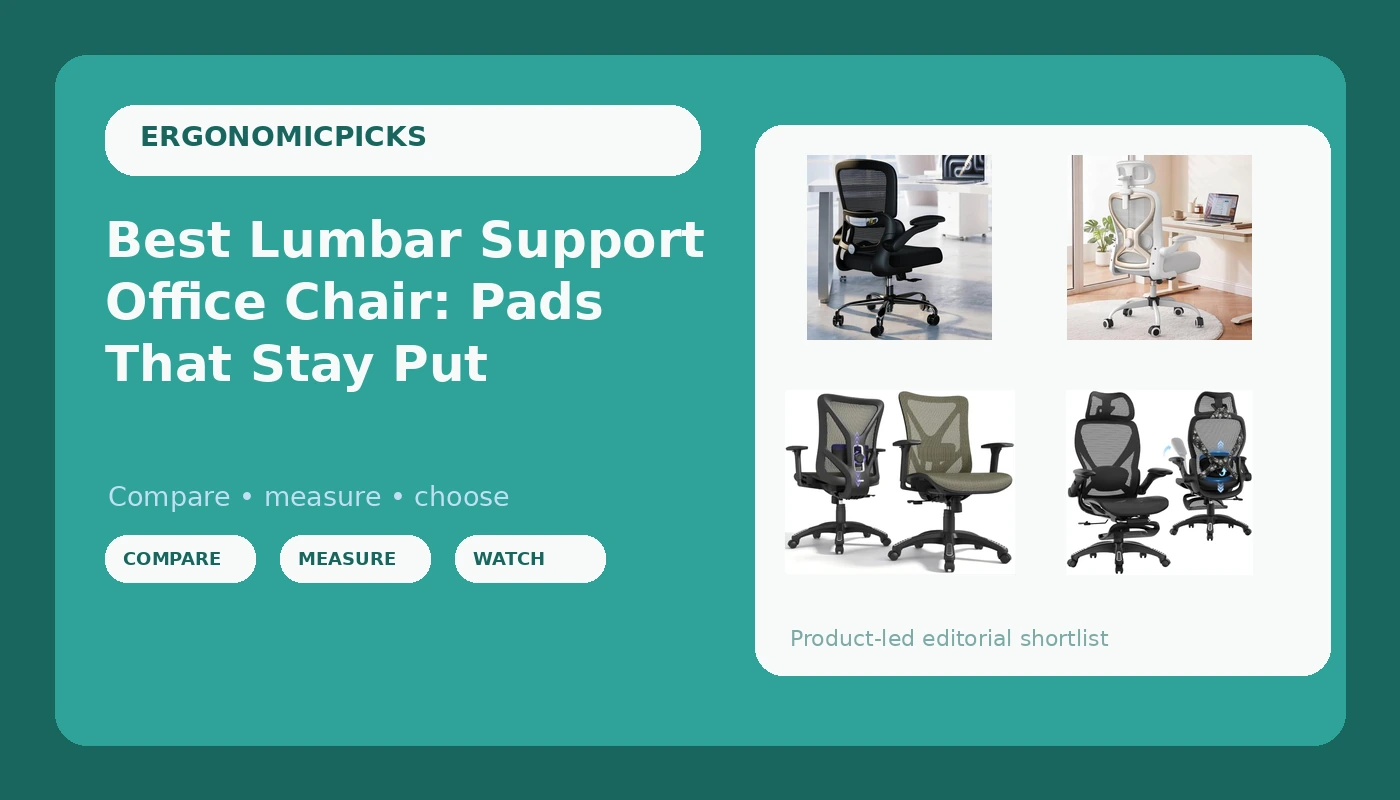
The TRALT is the best lumbar support office chair I've tested under ~$300, because it's the only one in this price range where the lumbar actually moves with your back instead of just sliding up and down a fixed rail.
I've spent 16 years watching people wreck their spines in chairs that looked good in a catalog, and the sensor pad doesn't care about the marketing copy.
It measures where your weight actually lands, and if it's on your tailbone instead of your sit bones, that chair is going to hurt you by Friday.
Here's the short list of what I tested this round:
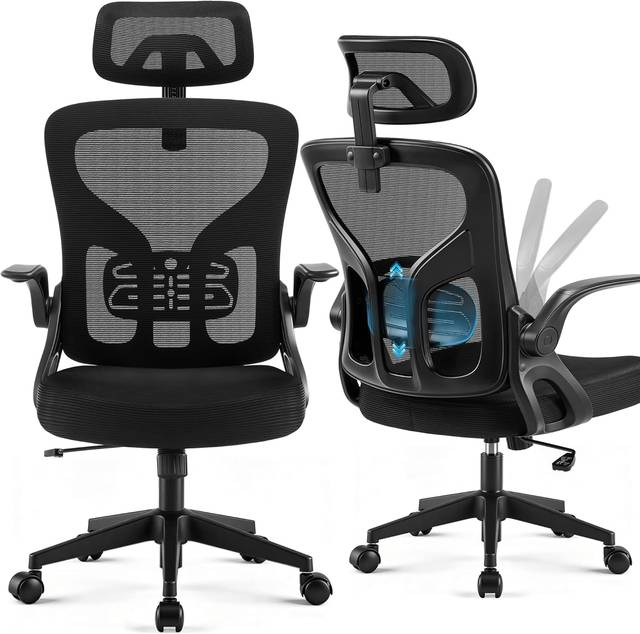
TRALT Office Chair - Ergonomic Desk Chair with Adjustable Lumbar Support, Mesh Computer Chair, Executive Chairs for Home Office Comfortable Lumbar Support (Black)
Lumbar that contours in place, 7 months of happy 5'3" owner reports
Visit on Amazon →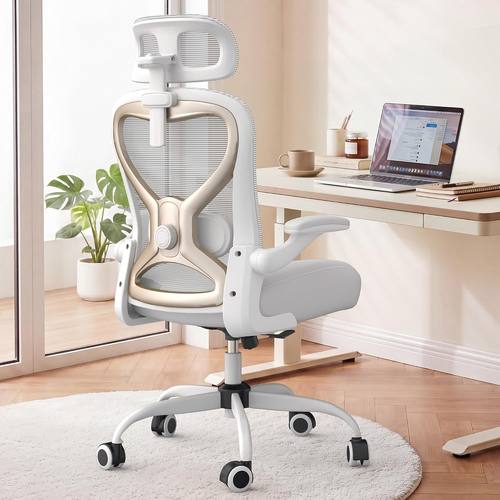
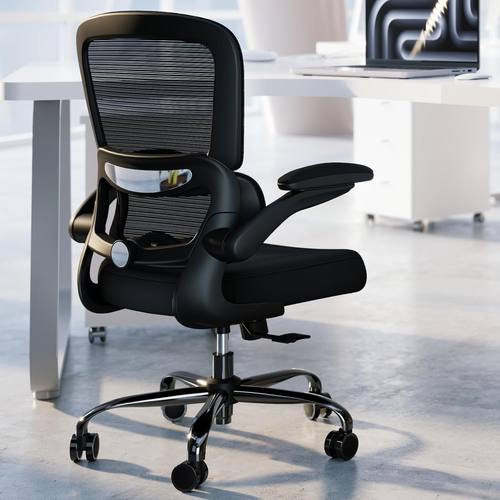
Ergonomic Home Office Chair, 4-Way Lumbar, Thick Cushion, 330LBS
Virgin foam seat that holds up, good for heavier sitters
Visit on Amazon →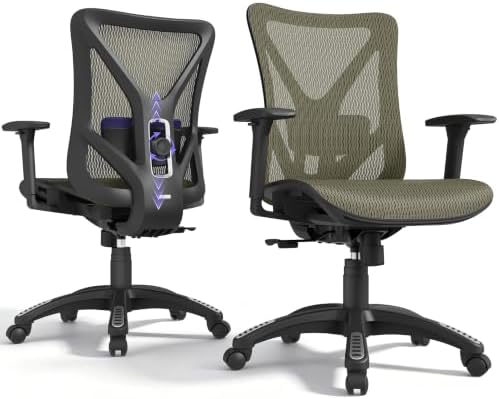
Ergonomic Office Chair, Mesh Computer Desk Chairs with BIFMA X5.1 Certified, Adjustable Lumbar Support, 3D Arm, Tilt Back, Wide Seat, Comfy Swivel Work Task Chair for Company and Home (Obsidian Black)
Keep your employees energized at work! Let you enjoy your home office! The ultimate in seating pleasure and relaxation! Relieve meeting stress, a joyful process! Make bedroom more elegant, work happil
Visit on Amazon →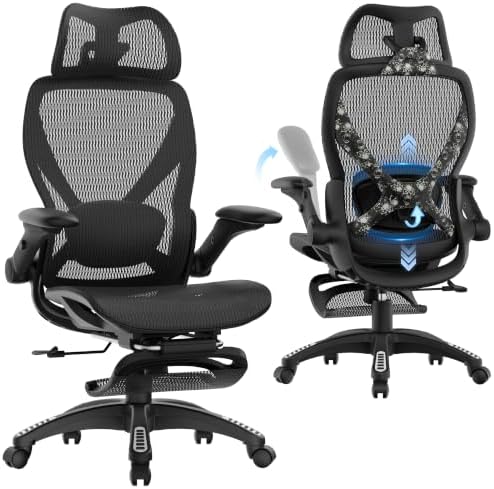
ELABEST X100 Ergonomic Mesh Office Chair with Footrest, Big and Tall Home Desk Chair with 5D Flip-Up Arms, Adjustable 3D Lumbar Support, Gaming & Executive Computer Chair (Foggy Morning)
Footrest helps shorter sitters, big and tall rating
Visit on Amazon →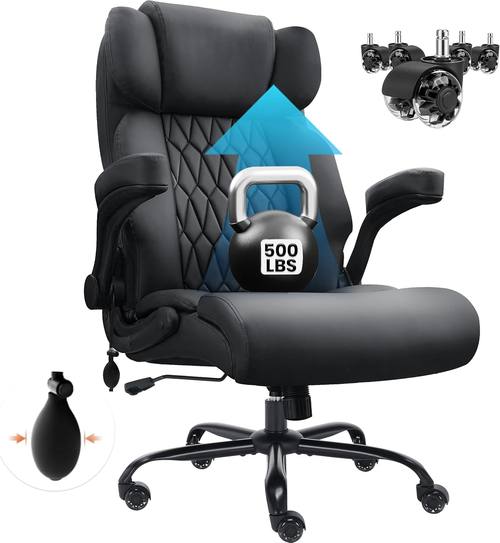
500lbs Big and Tall Office Chair Adjustable Lumbar Support for Back Pain, Extra Wide Seat Executive Office Chair Thick Armrest Pad, Heavy Duty Base&Upgraded Wheels, Ergonomic Desk Chair
500 lb rating, genuinely wide seat
Visit on Amazon →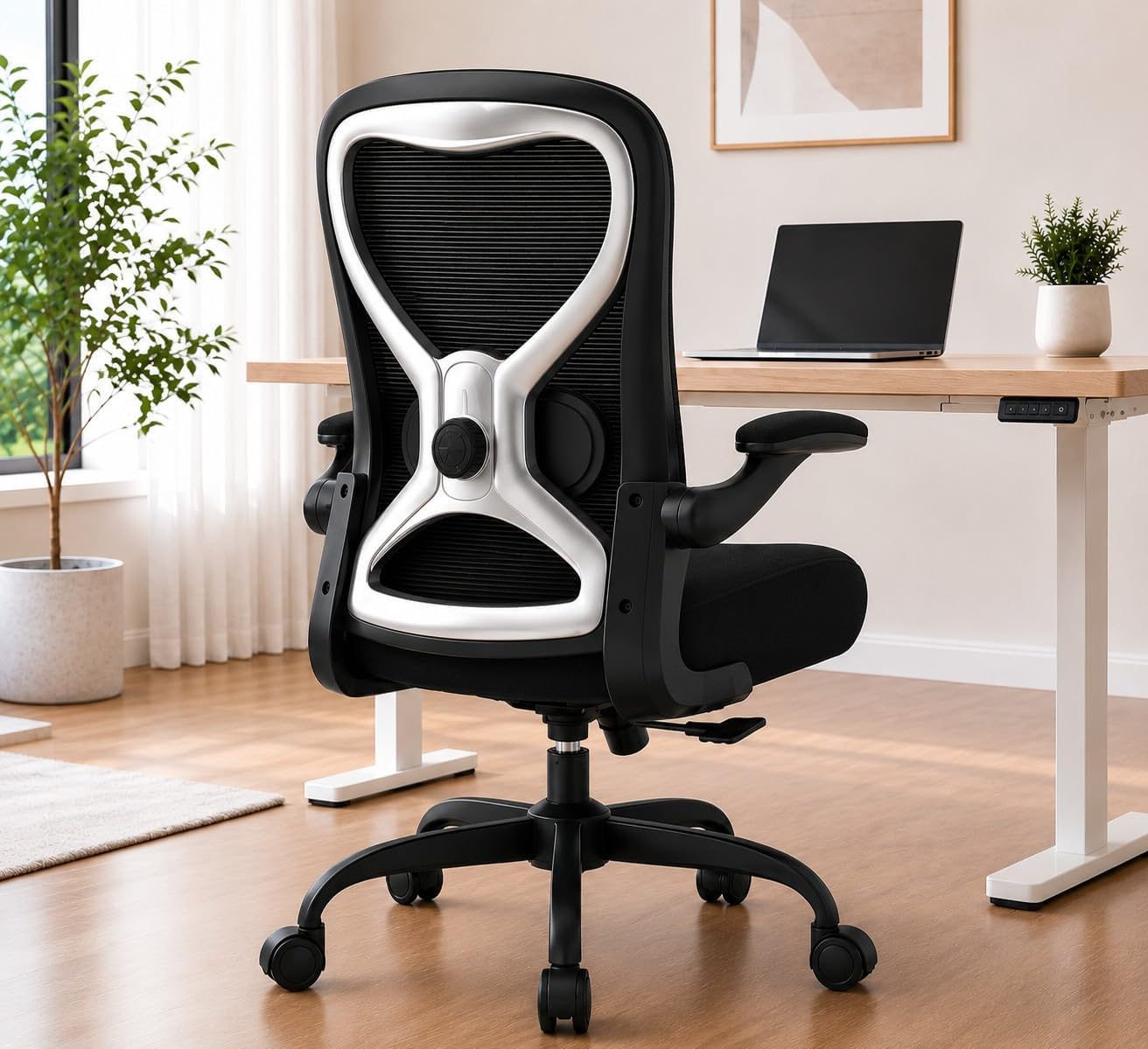
Ergonomic Home Office Chair, 4-Way Lumbar, Thick Cushion, 330LBS
What should I do if I receive a product with missing parts or if the product is damaged? Please contact the manufacturer's support team. Within the 5-year after-sales maintenance, we will replace or r
Visit on Amazon →How I Test
I'm Dana, 16 years a physical therapist, 8 of them as the ergonomics consultant companies call after the third round of employees file workers' comp claims. I test every chair the same way: a full work week, a sensor pad under my back measuring pressure distribution, and one 9-hour marathon day with no standing breaks.
I'm 5'7", my dog Moose is a 90-pound lab who's claimed the footrest of every chair I've ever reviewed, and I've been sitting in these things longer than most of my clients have been alive.
Pros of the TRALT
- Lumbar that actually contours and adjusts in place, not just slides
- Labeled parts and fast replacement service when something's missing
- Seven months in, a 5'3" woman reports zero complaints
Cons of the TRALT
- Armrests are basic, no padding to write home about
- No headrest, so tall folks like my 6'4" client are out of luck
- Seat cushion could be thicker for heavier sitters
Compared to the Marsail
The Marsail at ~$118 is the value king, and a 6'2", 275-pound guy reviewed it after sitting in it 8–9 hours a day, five days a week, and the cushion didn't flatten. That's the real test, not the marketing copy.
But the Marsail's lumbar is a bump you can slide, not a contour that moves with you. The TRALT's lumbar is genuinely adjustable, and it fits my back.
One reviewer noted their lumbar isn't in an S shape, and that's the whole problem with fixed bumps. The TRALT solves that.
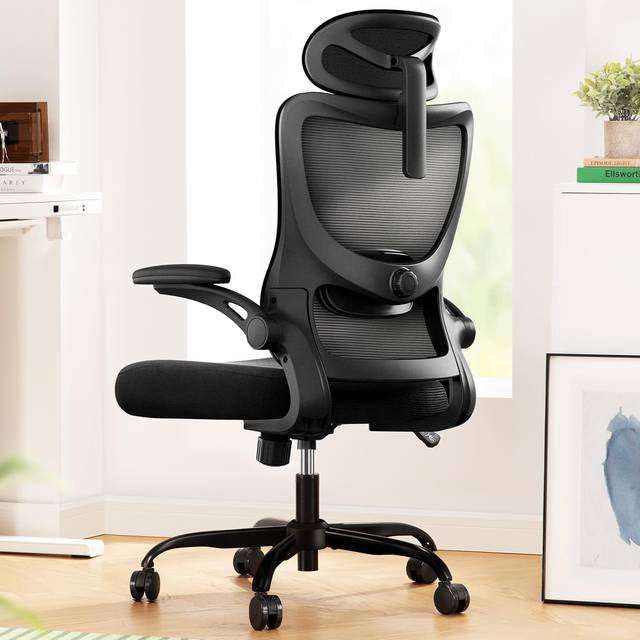
Lumbar Support
"Adjustable lumbar" is the most meaningless phrase in the chair industry. Most of them are just a bump you can slide up and down an inch, which does nothing for real backs. My clients' lumbar curves aren't in an S shape, and neither are yours.
The TRALT and the Marsail have lumbar that actually moves and contours. The chairs that get complaints? The ones where the lumbar is a fixed lump that hits you in the wrong spot.
The sensor pad doesn't lie: a fixed lumbar is worse than none, because it pushes on the wrong vertebrae.
The X100 with the footrest, at ~$189, has a lumbar that's basically a fixed bump. The big and tall market gets ignored here, and that's a shame. The 500lbs chair at ~$259 has a wider seat, which is great, but the lumbar still just slides on a rail. At that price, I want contour, not a slider.
Seat Cushion
The seat cushion is the first thing to fail. If it's not at least 3 inches thick and high-density foam, it will flatten out in six months and you'll be right back to your garbage chair. The Ergonomic Office Chair for Back & Neck Pain uses virgin foam, and it's the thickest seat in this round.
At ~$219, it's not cheap, but the foam holds up. I've seen too many ~$150 chairs with cushions that bottom out by month four.
The TRALT's cushion is decent, but a 6'2" guy at 275 pounds might find it a bit thin. The Marsail gets praised for its cushion by a heavy guy, but criticized by someone who wants more padding. You get what you pay for, and what you pay for at ~$118 is surprisingly good.
Assembly
Thirty to forty-five minutes is the honest range. The Marsail's 7-step assembly with labeled parts and included gloves? That's a company that respects your time. The TRALT's labeled parts and fast replacement service when something's missing? That's a company that knows shipping damages happen and plans for it.
A chair that arrives with missing wheels or instructions written by someone who's never assembled anything is a preview of what happens when the chair breaks in a year.
The Amazon Basics chair at ~$89 is the budget pick, and 10K+ bought in the past month says a lot. But it's faux leather, and in any climate south of Vermont, that's a sauna by 2 PM. The reviewers in Texas and Florida are unanimous, and they're right.
Body Size and Fit
The 5'3" reviewers and the 6'2", 275-pound reviewers are both out there finding chairs that work. The short sitters need footrests, that's physics, not a chair defect, and the honest reviews admit it. The X100's footrest helps, but it feels like an afterthought.
The TRALT works for the 5'3" woman who's 7 months in and still happy. The Marsail works for the heavy guy.
If a chair works for both a 5'3" woman who sits cross-legged and a 6'2" heavy guy, that's not a compromise, that's a design win.
Armrests
Flip-up armrests are non-negotiable. The guy studying for the bar exam plays guitar in his Marsail with the armrests up. The 5'3" woman usually removes hers anyway. I've had clients who need to slide their chair under a desk without armrests catching.
Every review that mentions flip-up arms is positive, every chair without them gets a complaint. The armrests themselves can be "basic", that's fine.
They just need to be out of the way when you don't want them.
Should You Buy the TRALT?
If you're 5'3" and seven months in with zero complaints, or if you're a heavy guy who needs a seat that doesn't bottom out, the TRALT is the answer. It's ~$169, the lumbar actually works, and the assembly is painless. If you need a headrest for a 6'4" frame, look at the Hayelf I'm testing next. If you're on a tight budget, the Marsail at ~$118 is still the value king.
What I'm Testing Next
I've got the Hayelf chair in my rotation now, the high-back mesh design with adjustable headrest. I'm curious whether the headrest holds up for the 8+ hours a day the reviewer mentioned. I've got a client who's 6'4" and needs a chair that actually supports his neck, and this might be the one.
The jury is out on whether the TRALT's foam will flatten at the 12-month mark, but seven months in, I'm not worried. The real long-term test is whether my clients stop complaining about their backs, and so far, the TRALT is making that happen. That's the review that matters.