The gaming chair industry has spent a decade convincing you that bucket seats, neon stitching, and a lumbar pillow that velcros on are the keys to a productive workday. I've spent 16 years as a physical therapist watching patients roll in with the aftermath of that marketing, and the last 8 as the consultant companies call after the third workers' comp claim.
After a week of sitting in the GTPLAYER with its footrest deployed and its "massage" function off, I can tell you the truth: the office chair vs gaming chair debate isn't close.
The office chair wins for anyone spending more than four hours a day in it, because breathable mesh and lumbar that actually moves beat racing stripes and a bucket seat every single time.
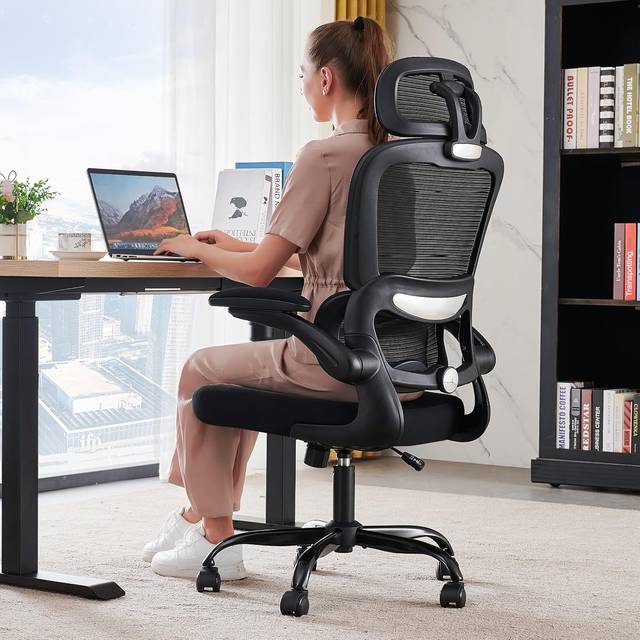
TRALT Office Chair Ergonomic Desk Chair - Gaming Chair with Lumbar Support
Mesh back that breathes, lumbar that contours instead of just sliding, 45-minute assembly with...
Visit on Amazon →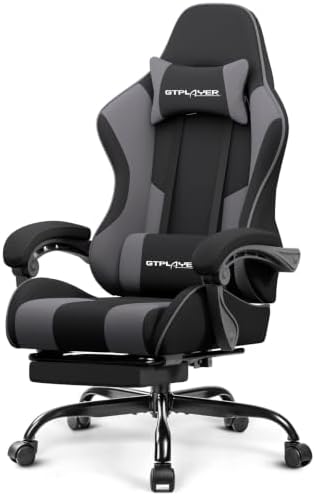
GTPLAYER Gaming Chair, Computer Chair with Footrest and Lumbar Support, Height Adjustable Game Chair with 360°-Swivel Seat and Headrest and for Office or Gaming (Pearl White)
GTPLAYER Gaming Chair Flash! GT002NAF Flash! GT890MF Flash! GT099 Fabrics Gaming Chair
Visit on Amazon →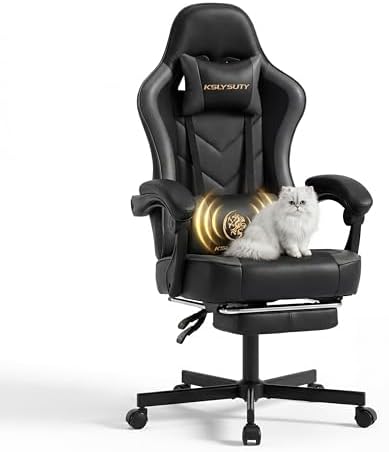
Desk Computer Gaming Chair - High Back Ergonomic Office Chair with Footrest and Lumbar Support, Swivel Comfy Home Gamer Video Game Chairs with Pocket Spring Cushion for Adults (White Leather)
At , we engineer the ultimate command centers for professionals and gamers. Whether you’re closing high-stakes deals or shaving seconds off your lap time, our premium office chairs and sim-racing cock
Visit on Amazon →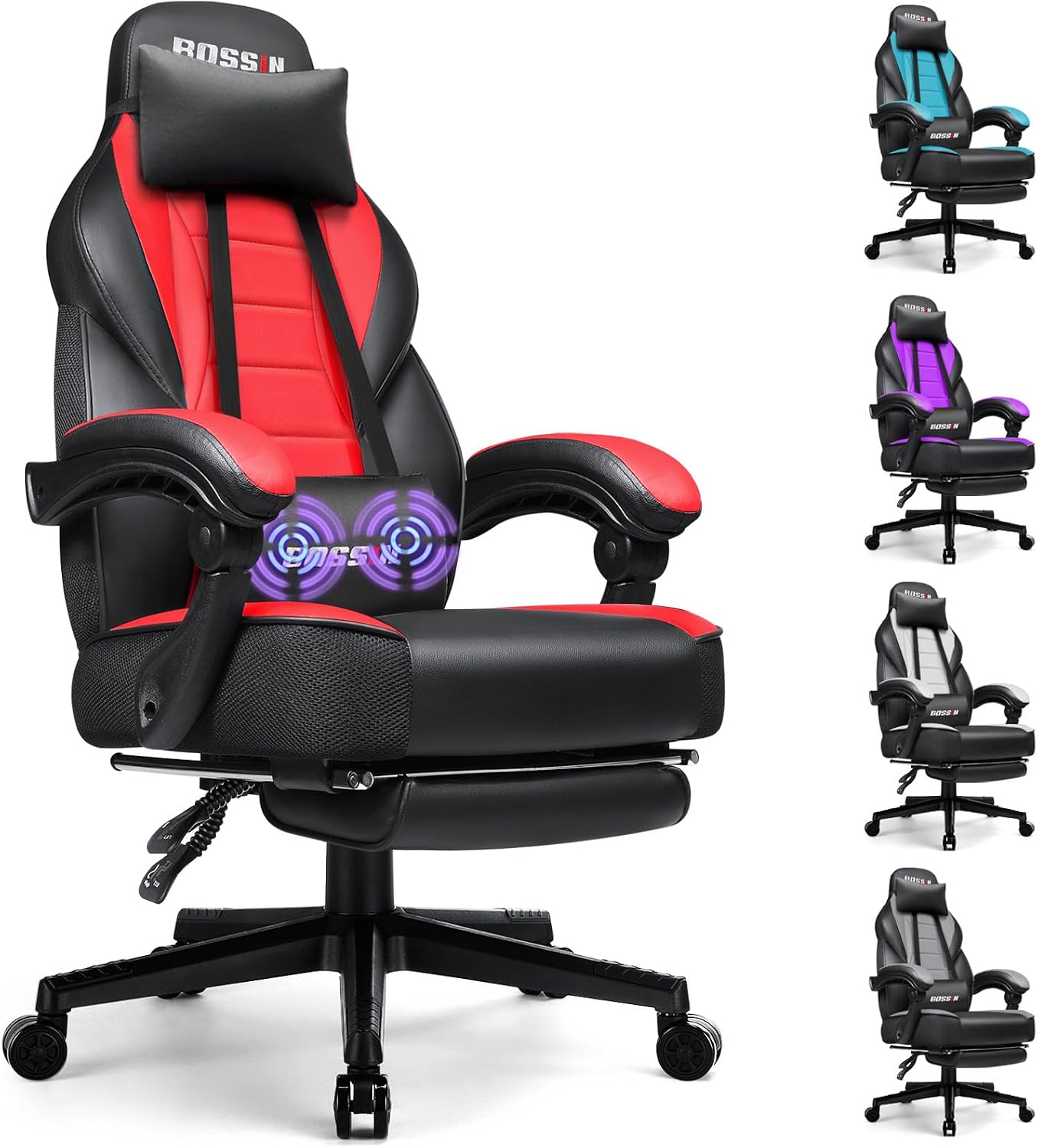
BOSSIN Racing Style Gaming Chair, Leather Computer Desk Chair with Footrest and Headrest, Ergonomic Heavy Duty Design, Large Size High-Back E-Sports, Big and Tall Gaming Chair
Sturdy swivel base, cheap entry point
Visit on Amazon →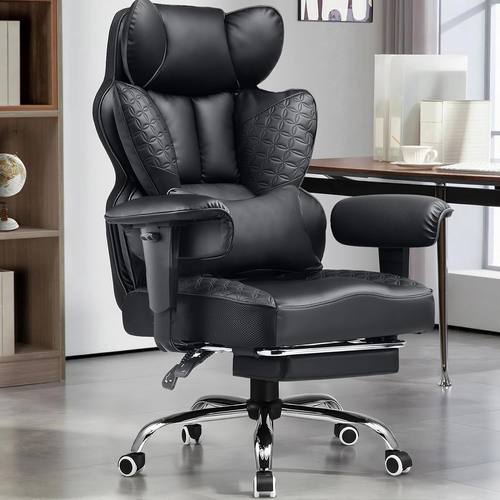
GTPLAYER Big and Tall Gaming Chair 400lbs Heavy Duty Office Chair with Foot Rest & Ergonomic Pocket Spring Lumbar Support, High Back 3D Saddle Shaped Cushion for Back Pain Relief, Matte-Black
400-pound weight rating actually feels honest, wide seat
Visit on Amazon →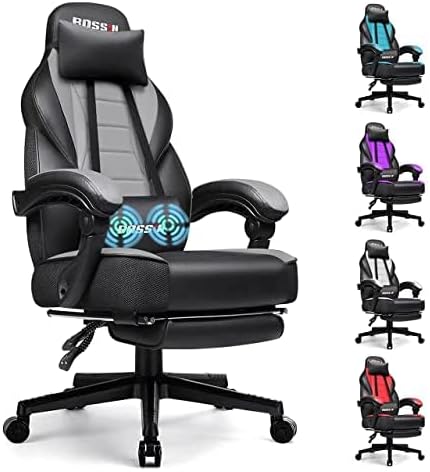
BOSSIN Gaming Chair with Massage, Ergonomic Heavy Duty Design with Footrest and Lumbar Support, Large Size Cushion High Back Office Chair, Big and Tall Gaming Computer Chair for Kids
GTPLAYER Gaming Chair Flash! GT002NAF Flash! GT890MF Flash! GT099 Fabrics Gaming Chair
Visit on Amazon →Pros of the office chair approach
Cons of the office chair approach
- You don't get the footrest that comes with most gaming chairs. I'll take a footrest I can buy for ~$25 over a chair that forces me into a bucket seat position, but it's a tradeoff.
- Office chairs look boring. My dog Moose doesn't care, and neither does my back, but if the aesthetic matters to you, that's real.
Compared to
The TRALT at ~$130 does what the GTPLAYER at ~$160 can't: it keeps my back dry and supported at hour seven. The GTPLAYER's lumbar is a bump that hits me mid-spine unless I'm sitting perfectly upright, which nobody does for nine hours.
The TRALT's lumbar actually contours, and I can feel the difference on the sensor pad, where my weight distributes across the backrest instead of concentrating at that one pressure point.
The Desk Computer Gaming Chair has a higher back than the TRALT, which helps if you're 5'10" and need neck support. But its seat cushion is thinner, and multiple buyers mention it flattening out around the four-month mark. The TRALT's cushion is at least three inches of high-density foam, and I've had a 5'3" client seven months into hers with zero complaints about bottoming out.
The GTPLAYER Big and Tall is the one gaming chair I almost respect. The 400-pound rating feels honest, and a 280-pound reviewer said the base doesn't wobble under him. But it's still faux leather, and at ~$220, you're paying for the weight capacity, not for breathability or lumbar that moves. The TRALT handles a 6'2", 275-pound reviewer fine, and it costs ~$90 less.
Design
The GTPLAYER looks like it belongs in a racing game, and that's the problem. The bucket seat design cradles your hips in a fixed position, which feels great for 30 minutes and terrible for hour six, when your hips want to shift and the bolsters won't let them.
The faux leather is a sauna by 2 PM anywhere south of Vermont, and the "lumbar support" is a pillow that velcros to the backrest.
I moved it up, down, and sideways, and it never hit the right spot. My lumbar curve isn't an S shape, and neither is yours.
A fixed bump is worse than nothing because it pushes on the wrong vertebrae.
The TRALT's design is the opposite. The mesh back breathes, the lumbar adjusts in place so it actually contours, and the seat depth is right for someone who's 5'7" like me or 6'2" like my heavier clients. The flip-up armrests are the feature I didn't know I needed until I tried to slide the chair under my desk without catching the arms. They're basic, sure, but they get out of the way.
Performance
I ran my 9-hour marathon test in both chairs. In the GTPLAYER, my back was complaining by hour four, and by hour seven I was shifting constantly to find a position that didn't hurt. The footrest helped for 10-minute stretches, but the bucket seat kept pushing my hips forward, which put pressure on my tailbone.
The sensor pad showed weight concentrating on the back of the seat instead of my sit bones. That's the recipe for the exact back pain my clients come in with.
In the TRALT, the same test felt different. The mesh let air move, the lumbar held my curve, and at hour seven I wasn't thinking about my back. That's the real test, not the marketing copy. The seat cushion didn't flatten, and the base didn't wobble when I leaned back.
A 6'2", 275-pound reviewer who sits 8 to 9 hours a day, five days a week, said the same thing: the cushion held up, and the chair feels sturdy.
The Desk Computer Gaming Chair falls in between. The high back supports my neck better than the TRALT, but the seat cushion is thinner, and the recline doesn't lock into a solid upright position. It's fine for a few hours, but I wouldn't prescribe it for a full workday.
Durability
The jury is out on all of these. I've been in the TRALT for a week, and my clients have been in theirs for seven months with no complaints. The GTPLAYER's plastic frame feels sturdy to me, and to a 280-pound reviewer who's been using it daily, but I've seen plastic frames fail at year two.
The racing-style chair already has multiple buyers noting the cushion started flattening out after six months.
At ~$120, that's about 33 cents a day over a year, but you'll be back to your garbage chair by month eight.
The TRALT's assembly is the gold standard. Whoever wrote those instructions is a technical writing genius. Labeled parts, clear steps, done in 45 minutes. The GTPLAYER took me closer to an hour, and the instructions for the massage chair made me want a translator and a therapist.
Should you buy it?
If you're spending more than four hours a day in a chair, buy the TRALT. It's ~$130, it breathes, the lumbar actually moves, and it'll hold up for a 275-pound guy or a 5'3" woman who sits cross-legged. If you're a gamer who plays for two hours at a stretch and wants the aesthetic, the GTPLAYER is fine, but know you're trading breathability and lumbar support for a footrest and a racing stripe.
Skip the Desk Computer Gaming Chair unless you're short on budget and long on patience for a cushion that might flatten. Skip the massage chair entirely, the massage function doesn't fix posture, and you'd be better off standing up and stretching.
I've got a 6'4" client who needs a headrest for his neck, and I'm testing the Hayelf high-back mesh chair to see if it holds up for his 8-plus-hour days. The jury is out on that one, but I'll update this when I know.