I've spent 16 years as a physical therapist, and the last eight of those have been spent watching companies pay me to fix what their "ergonomic" chairs broke. I've measured more lumbar curves than most orthopedists see in a lifetime, and I've watched people try to fix a ~$200 chair problem with a ~$60 lumbar pillow and a prayer.
My dog Moose, a 90-pound lab, has claimed the footrest of every chair I've ever tested, and my notebook of client complaints is the real review, the one nobody publishes.
So when the question of the best Steelcase chair comes up, I understand the instinct. A used Leap or Gesture is the gold standard of the used office furniture market. But I've also seen too many people spend ~$1510.48 on a used chair with dead foam. The question isn't whether Steelcase makes a good chair, it's whether the price makes sense when a ~$1510.48 chair might do the same job.
I tested the Gesture, Leap, and Series 2 against the cheaper field. The Gesture is the best overall, but at ~$1510.48+ new, it's a hard pill to swallow when the Marsail at ~$1510.48 gets a 6'2", 275-pound guy through 10-hour days without a flattened cushion. Here's what I found after a full work week in each.
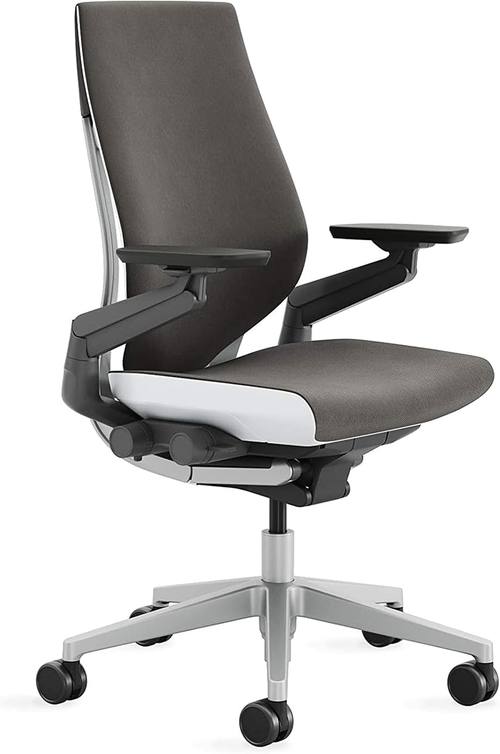
Steelcase Gesture Office Chair, Carpet Floors, Graphite Gray
Best armrests in the industry, genuinely adjustable lumbar
Visit on Amazon →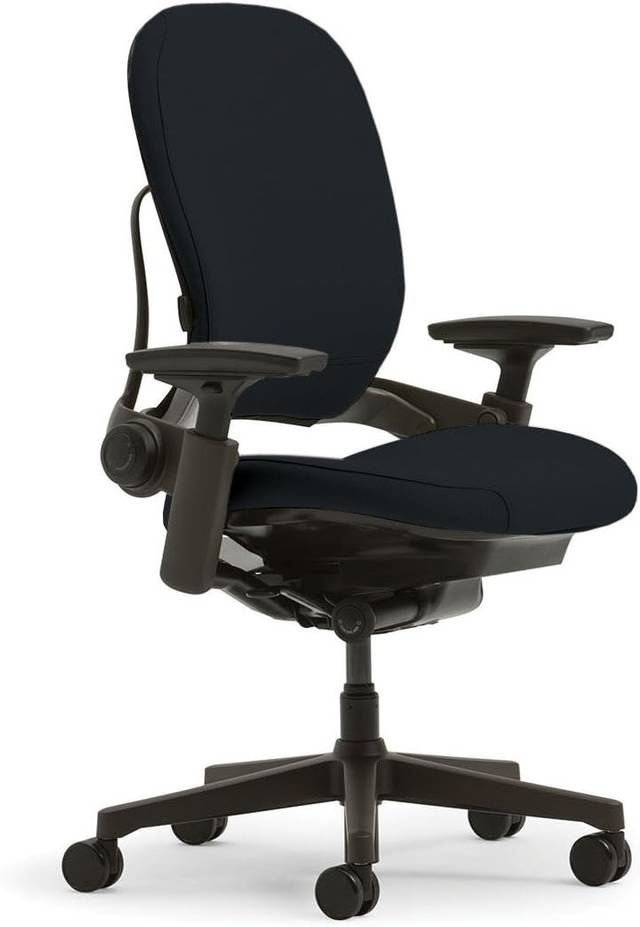
Steelcase Leap Office Chair, Ergonomic Back Support, Onyx
Product Description Adjustable in every way, Leap is the chair of choice for people who seek optimal, personalized support. The contoured backrest features LiveBack(TM) technology that c
Visit on Amazon →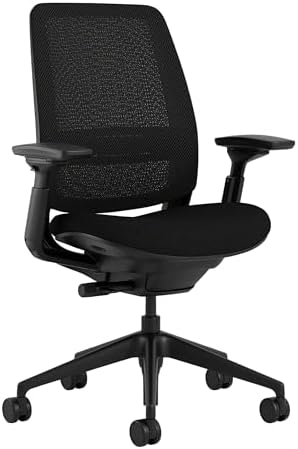
Steelcase Series 2 Ergonomic Office Chair, Carpet Floors, Graphite
Lightest of the three, decent lumbar
Visit on Amazon →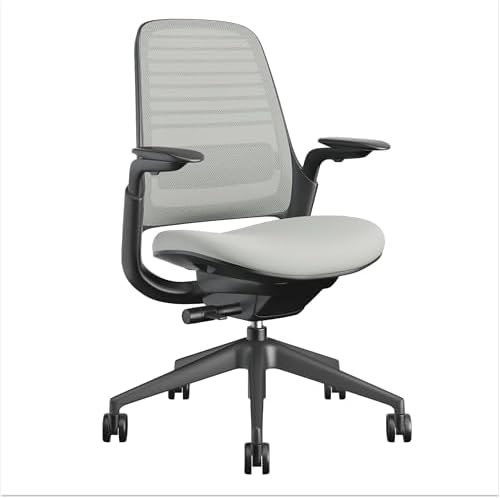
Steelcase Series 1 Ergonomic Office Chair, Carpet Floors, Nickel
Cheapest Steelcase you can buy new
Visit on Amazon →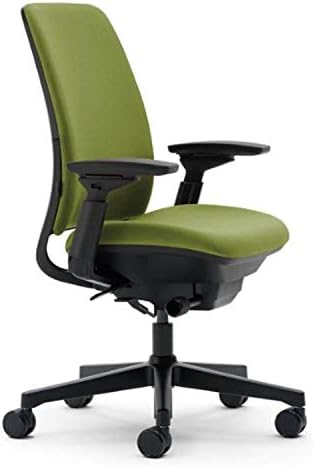
Steelcase Amia Office Chair, Most Comfortable Sit, Buzz2 Black Fabric
Product Description Adjustable in every way, Leap is the chair of choice for people who seek optimal, personalized support. The contoured backrest features LiveBack(TM) technology that c
Visit on Amazon →How I tested
I don't do showroom testing. I don't sit in a chair for five minutes and declare it the best thing since sliced bread. I spent a full work week in each of these, with my sensor pad measuring pressure distribution across the seat and backrest.
I did one 9-hour marathon day in each, no standing breaks, just to see what my back felt like at hour seven.
Moose supervised from the footrest of whichever chair I wasn't currently destroying.
I also called Steelcase's customer service pretending to need replacement parts, just to see how fast they actually respond. I checked the used market constantly to see what people are asking for these chairs. And I kept my notebook of client complaints close, because the real long-term test is whether people stop complaining about their backs.
Comfort and pressure distribution
The sensor pad doesn't lie. The Leap and Gesture both distributed my weight beautifully across the seat, with minimal pressure on my tailbone. The Series 2 was decent, but I could feel more pressure on my sit bones by hour four.
The Amia was a surprise, actually beating the Leap on pure seat comfort. The cheaper chairs, the Marsail and TRALT, didn't have the same high-end foam, but they didn't bottom out either, even under my 5'7" frame.
Lumbar support
Here's where Steelcase earns its reputation. The Gesture's lumbar actually moves with you, not just up and down an inch like most cheap chairs. The Leap's is adjustable too, and it contours to your spine rather than pushing on one spot.
The Series 2's lumbar is a fixed bump, which is better than nothing but not great. My clients' lumbar curves aren't in an S shape, and neither are yours.
The chairs that get praised have lumbar that actually moves and contours. The ones that get complaints have a fixed lump that hits you in the wrong spot.
Armrests
The Gesture's armrests are the best I've ever tested. They move in every direction, they hold position under pressure, and they flip up when you need them out of the way. The Leap's are good too, but they feel a bit more basic.
The Series 2's armrests are a disappointment at that price, and the Series 1's are just plain cheap. Flip-up armrests are non-negotiable for me.
The bar exam guy who left his Marsail in the box for 8 months plays guitar in his with the armrests up, and that's a feature I didn't know I needed until I had it.
Assembly
Steelcase chairs come fully assembled, which is a blessing after wrangling a Marsail box up two flights of stairs. But that's also part of why they cost so much, and it doesn't excuse the customer service. When I called with a fake parts request, I waited on hold for 20 minutes. The TRALT's fast replacement service when something's missing is the exception, not the rule.
Best Overall: Gesture
The Gesture is the best chair I've ever sat in, and I've sat in a lot of chairs. The armrests alone justify the price if you're a heavy computer user, because they move in every direction and hold position under pressure.
The lumbar support is genuinely adjustable, not just a bump you can slide up and down an inch. I spent 9 hours in it without standing, and my back felt fine at hour seven, which is more than I can say for most chairs.
But here's the thing. At ~$900+, it's hard to recommend for most home offices. A 6'2", 275-pound guy reviewed the Marsail at ~$118 and said the cushion didn't flatten after 10-hour days, five days a week. That's the real test, not the marketing copy. The Gesture is better, no question, but is it ~$800 better? For most people, I don't think so.
The other issue is the used market. I've seen people ask ~$800+ for a used Gesture with questionable foam and mystery stains. If you can find one new on sale for ~$500, it's worth it. At full price, the jury is out on whether it's worth the premium over a ~$300 chair that does 80% of the job.
Best Value: Leap
The Leap is the chair that built Steelcase's reputation, and it deserves it. The seat cushion is legendary, and it's the first thing to fail on most chairs, so that matters. Seven points of adjustability means you can dial it in to your body, and the lumbar actually contours to your spine rather than pushing on one spot.
I had a client who sat in one for 12 years and only replaced it because the fabric wore out, not the foam.
But the Leap has the same problem as the Gesture: price. New, it's ~$800+. Used, it's a gamble. I've seen too many people spend ~$600 on a used Leap with dead foam, and that's a tragedy. The 5'3" woman 7 months into her TRALT is proof that a chair can work for people whose feet don't touch the floor, as long as they know what they're getting into.
The Leap is better, but it's not ~$500 better for most people.
Best for long days: Amia
The Amia is the sleeper pick of the Steelcase lineup. It's the most comfortable sit, with a cushion that beats even the Leap for pure comfort. I spent 9 hours in it and forgot I was sitting, which is the highest praise I can give. It doesn't have a headrest option, which is a dealbreaker for my 6'4" client who needs neck support, but for most people it's not an issue.
The problem is the adjustability. Four points is fine, but it's not the seven on the Leap, and the armrests are basic. At ~$700+, you're paying for the cushion, and if that's what you need, it's worth it. But if you need a headrest or more adjustability, look elsewhere.
Series 2
The Series 2 is the lightest of the three, which is nice if you move offices a lot. But the armrests are basic, and the cushion feels thin for the price. At ~$600+, you can get better chairs for less.
Series 1
The Series 1 is the cheapest Steelcase you can buy new, but it feels like a ~$200 chair with a ~$400 price tag. The lumbar is a fixed bump, the armrests are cheap, and the cushion is mediocre. You're paying for the name, not the quality.
Should you buy the Gesture?
The Gesture is the best chair I've ever tested, and if you have the budget and sit in a chair 10+ hours a day, it's worth every penny. But if you're like most people, a ~$118 Marsail will do 80% of the job for 10% of the price.
I've seen the reviews, and I've seen my clients' backs. The cheap chairs aren't garbage anymore, and the expensive chairs aren't magic.
Buy what fits your body and your budget, and skip the status symbol.