Related: How to Set Lumbar Support So It Stays Put All Day
Most budget ergonomic office chairs are sold on a promise the box cannot keep: one chair, every body. I have spent sixteen years as a physical therapist, the last eight of them measuring spines in offices that bought seating by the pallet, and the failure is always the same. The chair that rescues one person's lower back wrecks the next person's shoulders, and nobody notices until month three.
So this is a fit guide, not a ranking. Four products, four different problems: two chairs built for long sitting sessions, one tall drafting chair for standing desks and high work surfaces, and one small repair part that saves the chair you already own instead of sending it to the curb.
Here is what I tell every client before they spend a dollar on budget ergonomic office chairs. The seat pan is where the money either went or did not. A chair can have a lumbar pad, a headrest, a footrest, and a massage setting, and still put your knees above your hips. Get seat height and seat depth right first, then worry about the rest.
ERGOSEAT Leather Office Chair with Footrest: Best for Long Sessions
The footrest is the reason this one gets its own section. On an executive chair, a footrest is not a luxury, it is a geometry tool. The moment you recline, your feet leave the floor, and a chair with nothing under the calves turns that recline into a stretch you will not hold for an hour. A footrest lets you keep the knees slightly lower than the hips while the backrest opens up, which is the position most people actually relax into after hour six.
The material is the tradeoff, and I would rather say it plainly than pretend otherwise. Leather holds its shape better than cheap mesh, and the chair you sit in for eight hours a day benefits from that. It also runs warm. If you work in a room with no air movement, or you are the person who kicks off their shoes in July, this is a winter chair in a summer office.
Who it fits: anyone who leans back while they read, take calls, or watch training videos, and anyone whose desk height forces a higher seat than they would pick on their own. Who it does not fit: someone with a short torso relative to the backrest, because a tall executive back can push the head forward instead of supporting it. Sit in it with your shoulders against the back before you commit.
Synorla Ergonomic Tall Drafting Chair: Best for Standing Desks
This is a mesh desk chair with flip-up arms and a tall seat, and both of those features solve a specific problem that standing desks create.
The tall seat is the obvious one. When you go from standing to sitting at an adjustable desk, the usual move is to drop the desk and drop your hips with it, which means two transitions instead of one. A tall drafting chair keeps your hips near the height you were standing at, so the work surface never has to move. That matters if you alternate between standing and perching all day, which is what the research actually supports.
Flip-up arms are the feature I wish every chair had. Arms that fold out of the way let you pull the chair tight to the desk when you type, then get them out of the way when you want to sit cross-legged or push the chair under a counter. The catch is the hinge. Wobbly armrests are one of my top complaints, and a hinge is one more joint that can loosen, so check the arms under pressure before you plan a nine-hour day around them.
Mesh deserves a warning here too. Mesh is not automatically breathable and it is not automatically supportive. Cheap mesh sags, and when mesh sags it becomes a hammock for your tailbone. If the mesh gives way under your hand in the store, it will give way under your pelvis by year two.
One more thing about tall seats: your feet probably will not reach the floor, and that is fine, but you need somewhere for them to land. A drafting chair with no foot support puts your weight on the front edge of the seat, which is the same as sitting on a stool with bad intentions.
Small PU Leather Office Chair: Best for Shorter Frames
The phrase "for short people" on a listing is usually marketing noise. Here it is the actual point, and it is worth explaining why standard chairs hurt shorter frames.
Most office chairs are built around a 5'9" model who does not exist. If you are 5'2", the typical seat pan is deep enough that the front edge presses into the back of your knees, which pushes your hips forward and flattens the lumbar curve you are paying to support. The fix is a shorter seat depth and a lower minimum seat height, and that is what a small-frame chair gives you. This one is a compact PU leather chair with ergonomic back support, adjustable armrests, wheels, and a 360-degree swivel.
The adjustable armrests are the part I care about most. Arms are not optional. Floating elbows are how you get the shoulder pain I treat every single week. Adjustable height armrests let you set them low enough that your shoulders stay down while your hands are on the keyboard, instead of hiking up to meet a fixed arm.
The swivel and the wheels matter more than people expect in a small room. A chair you can turn in is a chair you do not have to twist out of, and twisting out of a chair with your feet planted is a great way to irritate a disc.
About the PU leather: it is the practical choice at this price, and it wipes clean, which matters if you eat at your desk. It also runs warmer than mesh and will crease at the front edge over time. That is the honest tradeoff, not a defect.
Check the seat height range against your own body before you buy. Sit with your feet flat, knees level with or slightly below the hips. If you cannot get there, no armrest on earth will save that chair.
Adjustable Office Chair Repair Set: The Fix for the Chair You Already Own
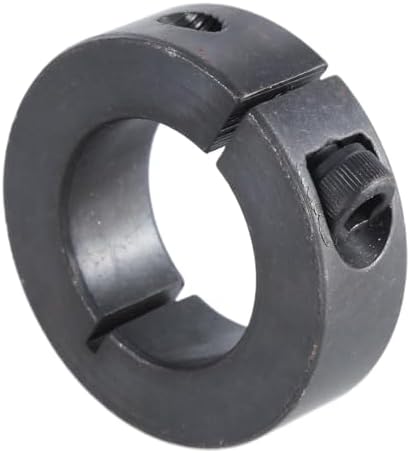
Not every chair problem needs a new chair. A gas lift that sinks is the single most common failure I see in offices, and it is the one that gets a perfectly good chair thrown out. This repair set pairs a steel shaft with a lift cylinder hold, and its job is to keep the seat where you set it and bring height adjustment back.
This is the cheapest move in this guide and often the smartest one. If the frame, the seat foam, and the backrest are still sound, and the only thing wrong is that you slide down an inch an hour, buying a new chair is spending hundreds to fix a small problem. Replace the part, keep the chair, and spend the difference on something that actually touches your body, like a footrest or a better keyboard position.
Be honest about the failure first. If the seat sinks, that is the lift, and this is your fix. If the chair rocks, creaks, or the base is cracked, this will not help you and you need to be shopping for a chair instead.
One last clinical note. A chair that sinks slowly is not a comfort problem, it is a posture problem. You start the day at the right height and finish it two inches lower with your knees above your hips, and you spend six hours in a position that loads your lower back. Clients describe this as "my back hurts by 3 PM" without ever connecting it to the chair. If your chair drifts, fix it or replace it. Do not adapt to it.
How I sort a chair before I recommend it
I do not rank chairs by price. I sort them by whether their adjustments match a body, because that is the only question that predicts whether you will still be comfortable in month eight.
Four questions, every time. Does the lumbar support adjust in place, or does it just slide up and down the spine of the chair? Can I picture nine hours in it without standing up to reset? Do the armrests hold their position under pressure, or do they walk down on their own? And would I prescribe it to a client who already has back pain?
The fourth question is the one that eliminates most budget chairs. A chair can be comfortable for an hour and still be a bad prescription. Comfort and support are not the same thing, and the difference shows up at hour six, not hour one.
What these four have in common, and what they do not
None of these is a one-size-fits-all chair, and any listing that claims otherwise is lying to you. The two chairs here that sit at nearly the same price solve opposite problems. One is a small-frame chair with a shorter seat, built for someone whose feet never quite reached the floor in a standard chair. The other is a tall drafting chair for someone who got tired of dropping their desk every time they wanted to sit. Same category, different bodies, and the wrong one will hurt you.
The other pattern is that adjustments beat features. A footrest, flip-up arms, adjustable armrests, and a cylinder hold are all small mechanical things. They are also the things that determine whether a chair works at hour six. Headrests, massage motors, and racing stripes do not.
And the repair set belongs in this group for a reason. A chair is a five-year purchase. The cheap chair that dies in eighteen months was never cheap, and the good chair that sinks is not dead. Sometimes the ergonomic decision is a small part instead of a large box.
The fit reference table
Match your body and your desk to the row, then check the current price at the link. These are starting points for your own measurements, not a substitute for sitting in the thing.
| Product | Best for | Key adjustment | What to verify | Price |
|---|---|---|---|---|
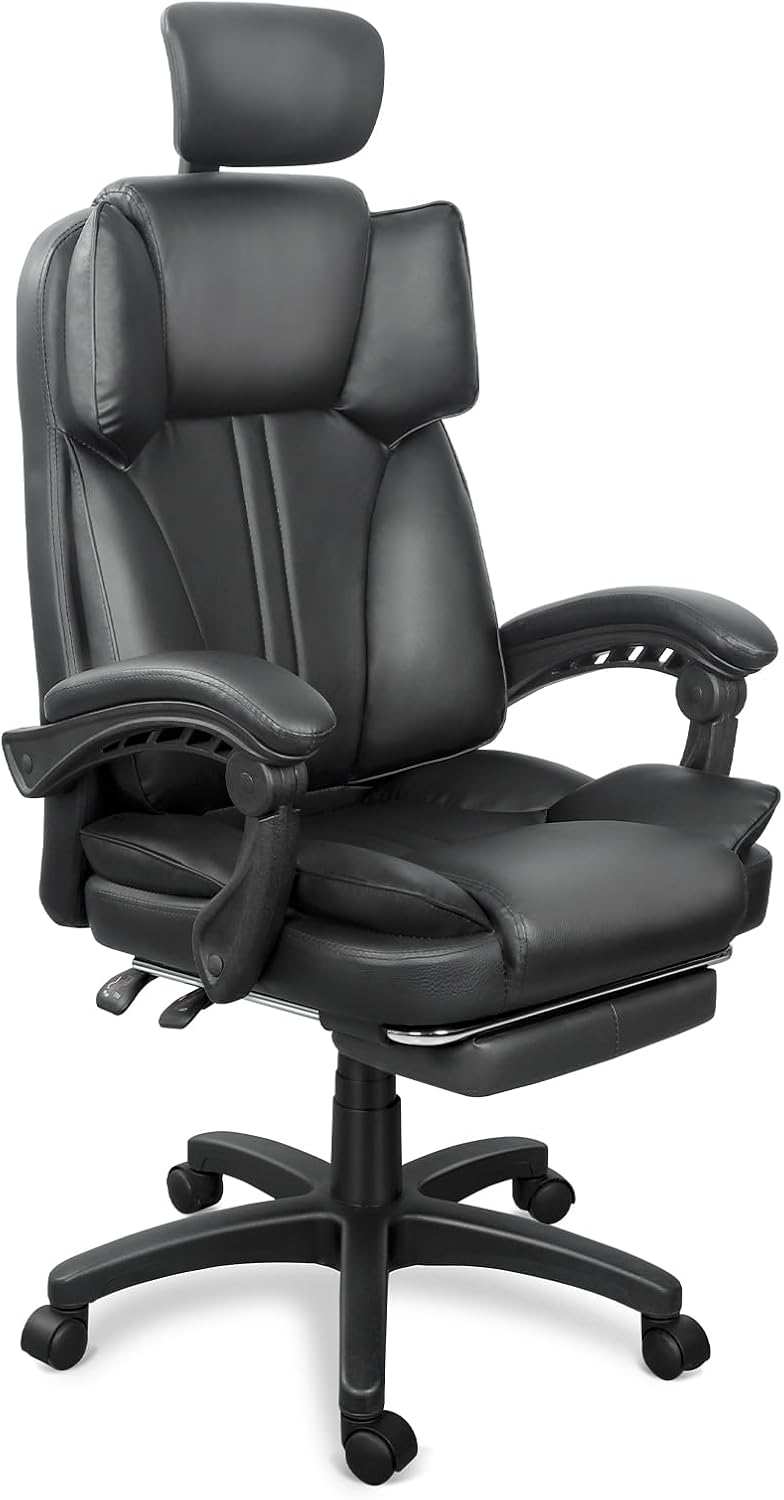 Visit on Amazon → ERGOSEAT Leather Office Chair with Footrest |
Long sessions, reclining with support | Footrest, recline | Seat height against your desk height | $89.99 |
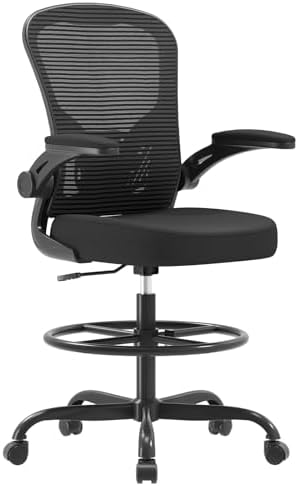 Visit on Amazon → Synorla Ergonomic Tall Drafting Chair |
Standing desks, high counters, perching | Flip-up arms, tall seat | Foot support and arm hinge tightness | $104.49 |
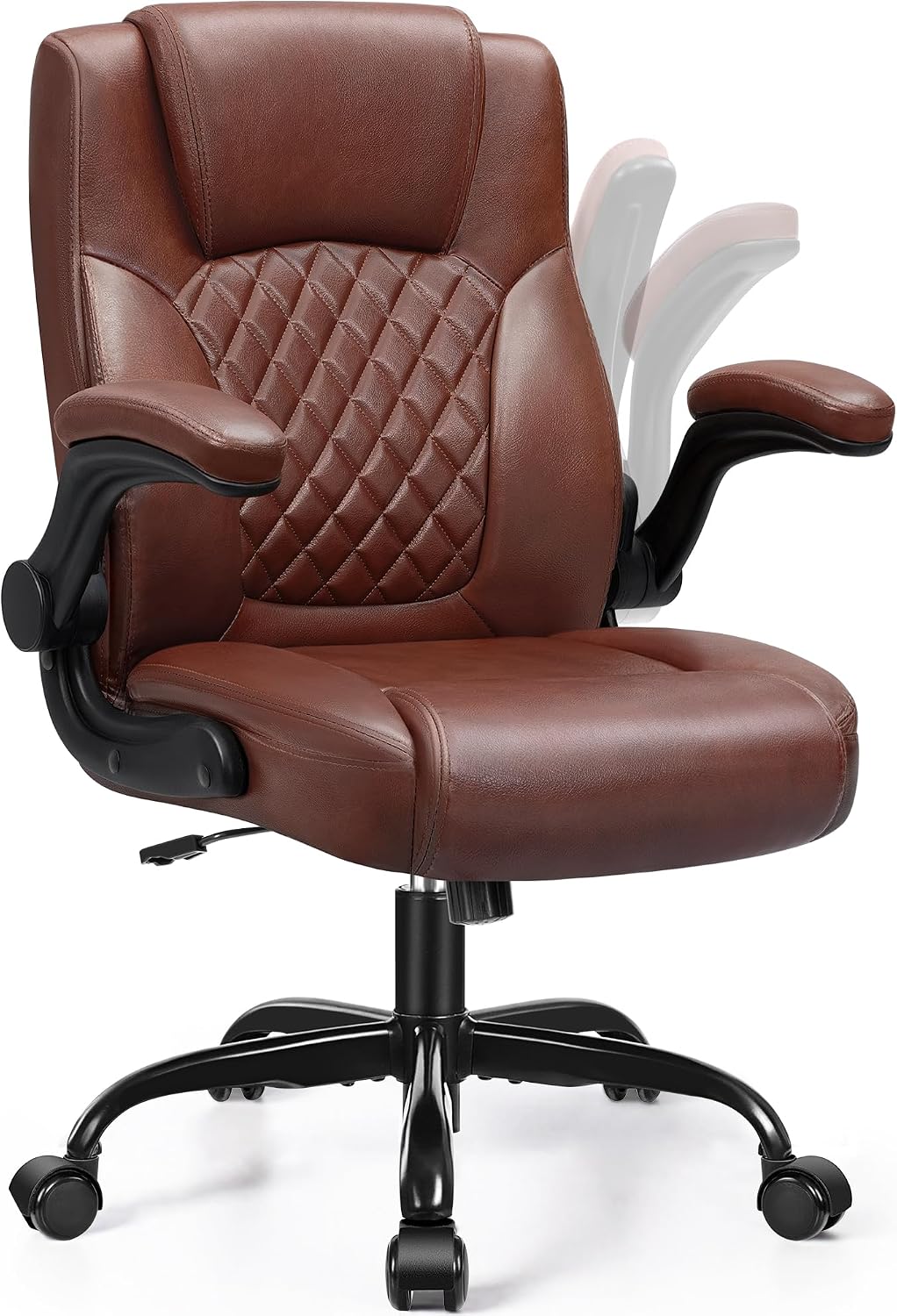 Visit on Amazon → Small PU Leather Office Chair with Adjustable Armrests |
Shorter frames, small rooms | Adjustable armrests, compact seat | Minimum seat height and seat depth | Check current Amazon price |
 Visit on Amazon → Adjustable Office Chair Repair Set |
Chairs that sink slowly | Steel shaft and lift cylinder hold | Whether the cylinder or the base is failing | $13.35 |
What to skip in this price band
Anything stamped "ergonomic" with zero lumbar adjustment. Anything with armrests that wobble out of the box. Anything where the mesh gives under your palm. And anything that promises to fit every body, because no chair does, and I say that in every review I write.
Should you buy the ERGOSEAT Leather Office Chair with Footrest?
Yes, if you recline. The footrest is the entire argument, because it keeps your knees supported once the backrest opens up, and that is the difference between a chair you relax in and a chair you fight. The leather will hold its shape longer than cheap mesh will.
Skip it if you run hot. Leather holds warmth, and a warm office plus a leather executive chair is a bad summer combination. That is the honest tradeoff, and it is the only one that matters here.
Should you buy the Synorla Ergonomic Tall Drafting Chair?
Yes, if you sit at a standing desk, a workbench, or a tall counter. The tall seat keeps your hips near the height of your work surface so you stop lowering the desk every time you sit down, and the flip-up arms let you get close when you type and out of the way when you do not.
Budget for foot support. A tall seat means your feet dangle, and dangling feet put all your weight on the front edge of the seat. Check the arm hinges too, because a loose hinge is the most common complaint about flip-up designs.
Should you buy the Adjustable Office Chair Repair Set?
Buy it if your chair still fits you and the only thing wrong is that the seat sinks. The steel shaft and lift cylinder hold bring height adjustment back, and that is a much smaller spend than a new chair.
Do not buy it if the base is cracked or the seat rocks. That is structural, and no repair part fixes a frame that has given up. Measure twice, spend once, and keep the chair that already fits your body.
The short version
Match the chair to your body, not to the listing. Tall seat and foot support for standing desks, compact seat and adjustable arms for shorter frames, footrest and leather for long reclining sessions, and a small repair part for the chair that still works. That is the whole decision, and none of it requires a brochure.