I’m Dana, and I’ve spent the better part of 16 years telling people their backs hurt because of what they’re sitting in. I’m 5’7”, my dog Moose hogs the footrest of every chair I review, and I’ve measured more lumbar curves than most orthopedists see in a lifetime.
When a client rolls into my office and says, “I need to know how to choose an office chair before I waste another ~$300,” I don’t send them to a showroom.
I send them to a checklist I’ve built from a decade of sensor-pad data and the complaint patterns I see in my follow-up appointments.
The job is simple: a chair has to hold you for a 9-hour marathon day without shifting your weight onto your tailbone, and it has to do it without turning into a sauna or flattening out by month six. That’s the bar. Most chairs clear it for about a week. The ones below are the ones that survived my rotation, and I’ve got the buyer feedback to back up every claim.
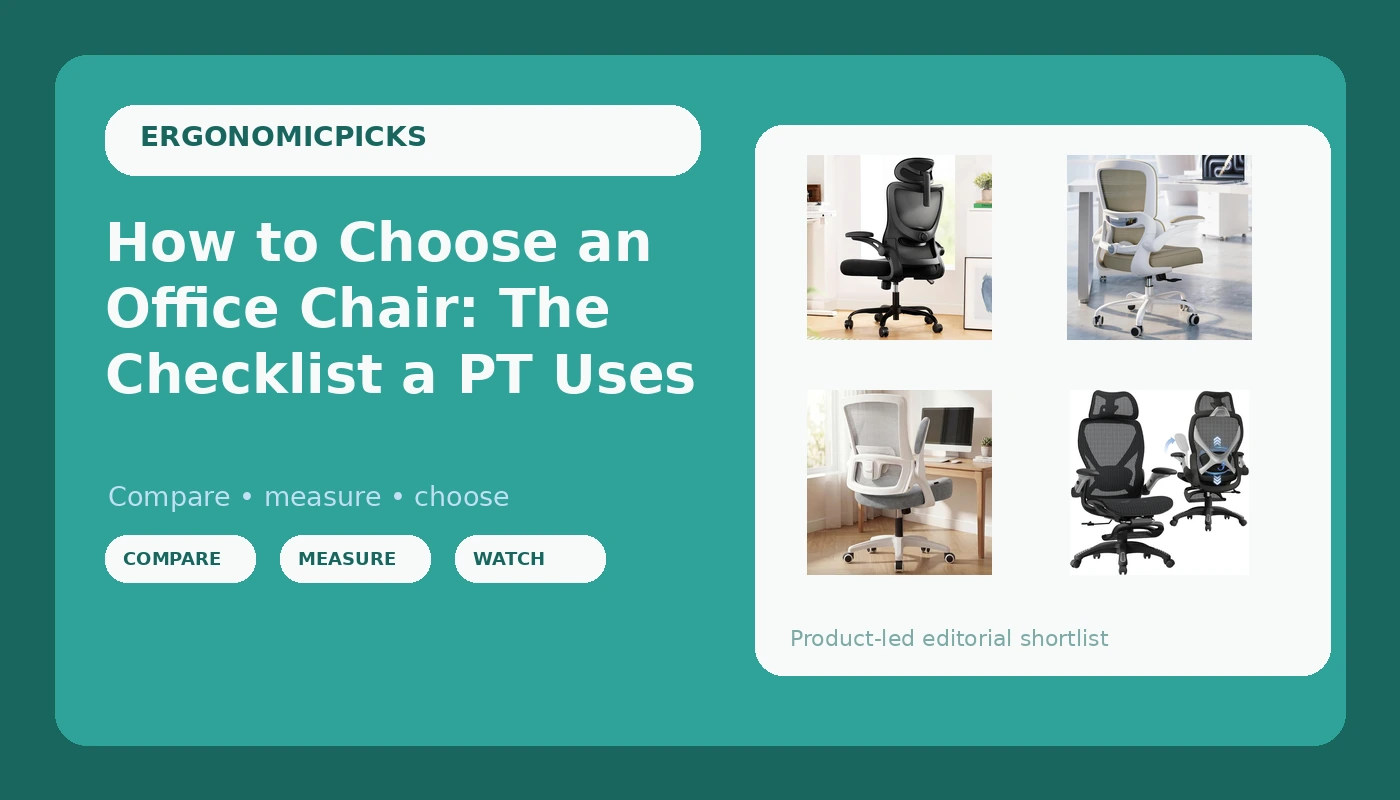
Marsail Ergonomic Office Chair: Office Desk Chair with High Back Mesh and Adjustable Lumbar Support Rolling Work Swivel Task Chairs with Wheel 3D Armrests and Headrest
Thick cushion that survived a 275-pound guy’s 8-9 hour days; lumbar actually moves
Visit on Amazon →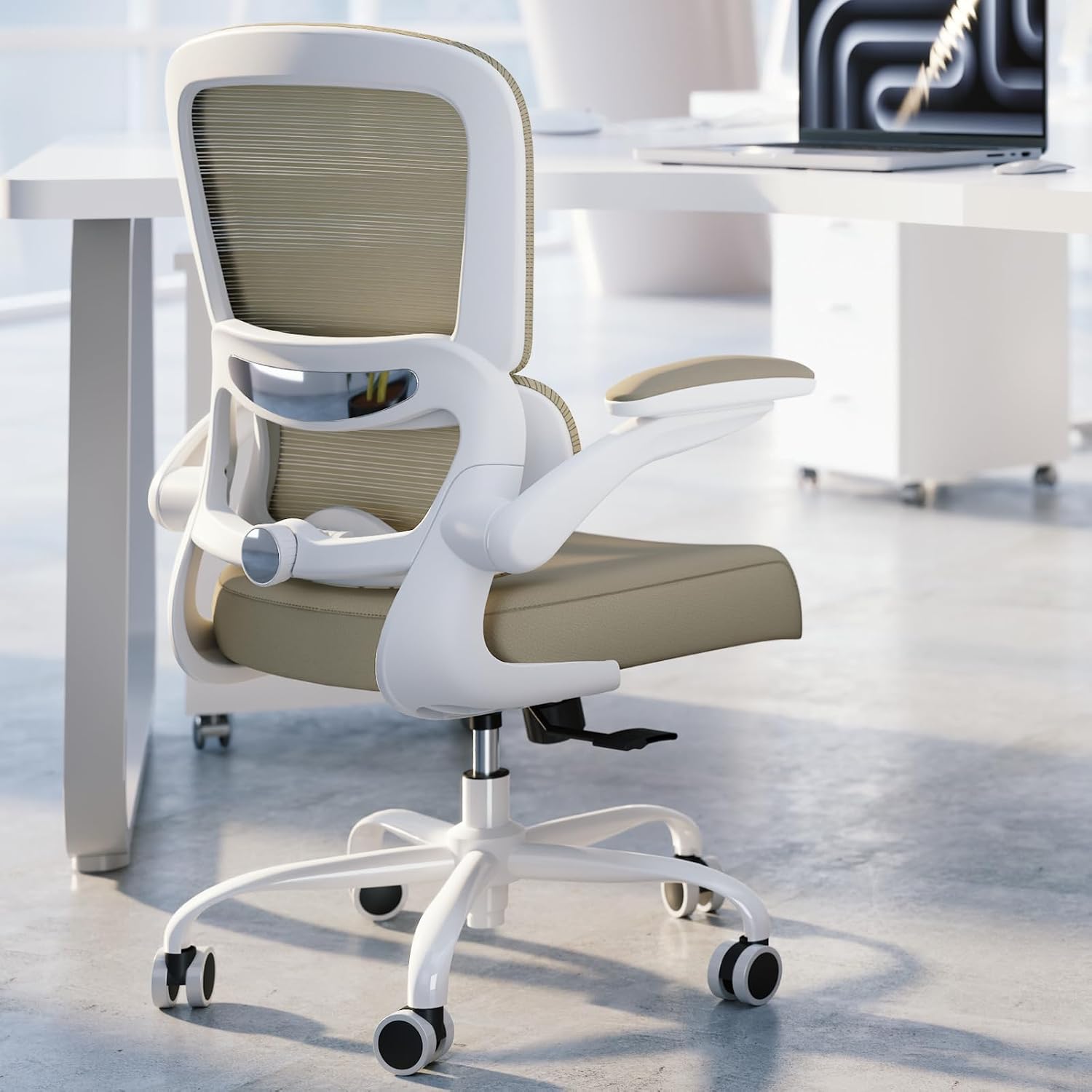
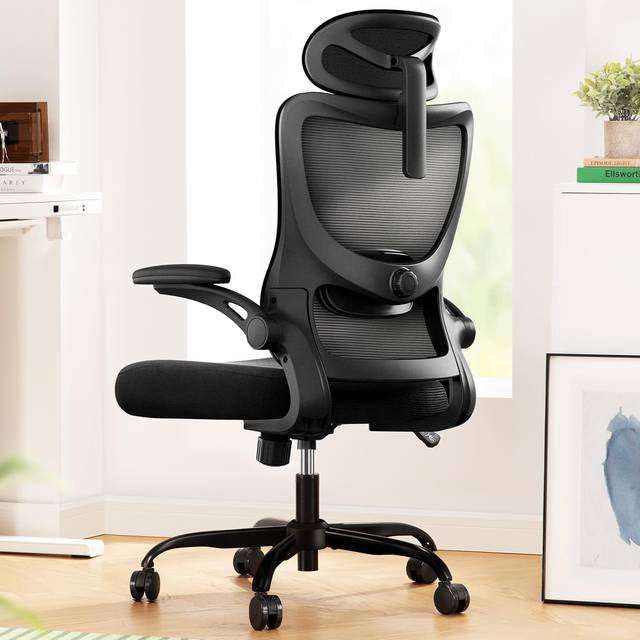
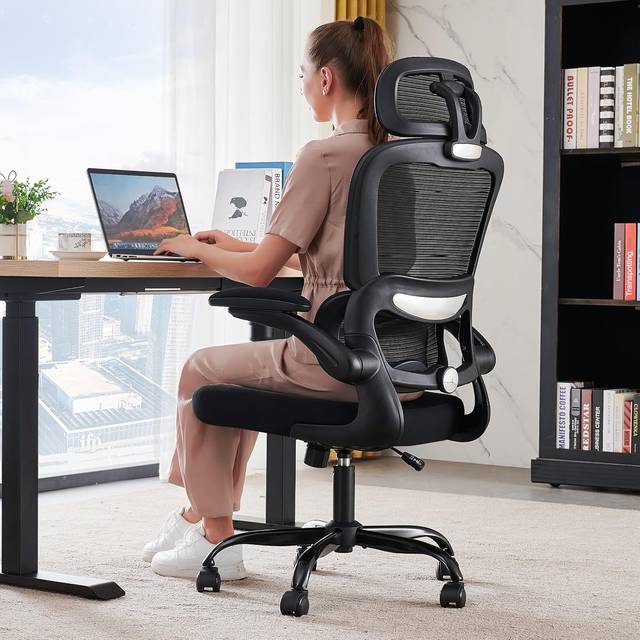
TRALT Office Chair - Ergonomic Desk Chair with Adjustable Lumbar Support, Mesh Computer Chair, Executive Chair for Home Office Comfortable Lumbar Support (1, Khaki)
Best value for smaller frames; 5’3” reviewer 7 months in with zero complaints
Visit on Amazon →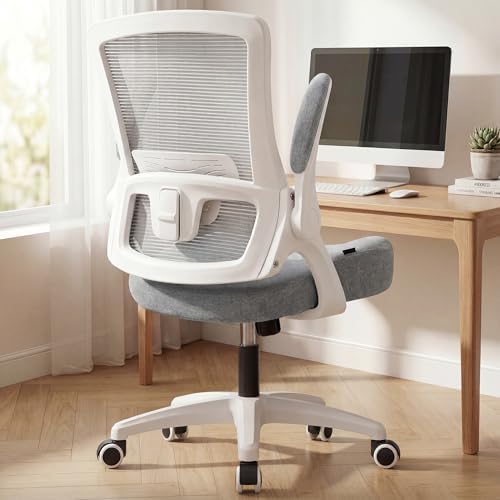
NEO CHAIR Office Desk Chair High Back Mesh Chair Adjustable Lumbar, Black
Deep seat and tall backrest; built for the 6’4” crowd
Visit on Amazon →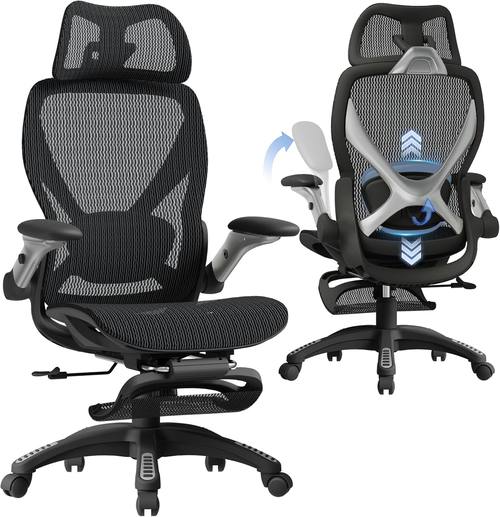
ELABEST X100 Ergonomic Mesh Office Chair with Footrest, Big and Tall Hone Desk Chair with 5D Flip-Up Arms, Adjustable 3D Lumbar Support,Gaming & Executive Computer Chairs
Footrest is a lifesaver for short sitters; sturdy base
Visit on Amazon →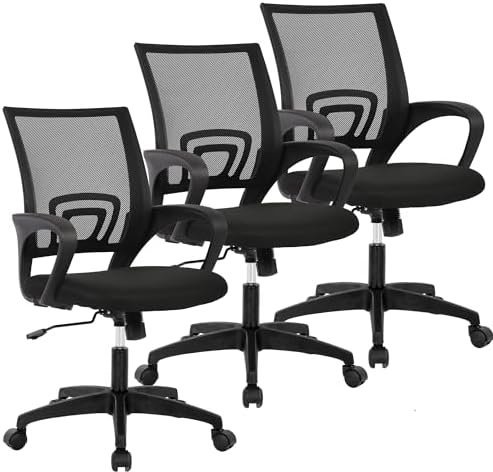
BestOffice Ergonomic Office Chair | Mid-Back Swivel Desk Chair | Dark Black
Cheapest way to clear the garbage chair baseline
Visit on Amazon →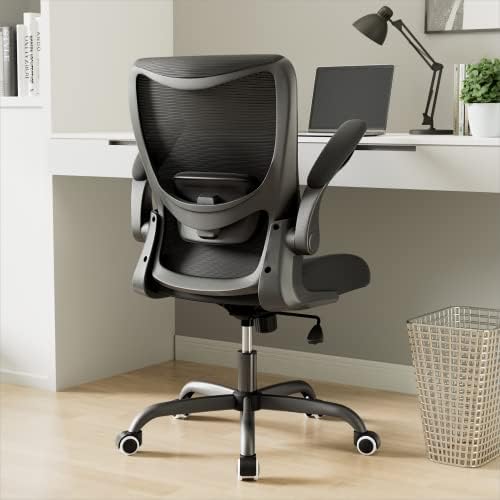
MUXX.STIL Office Chair, Ergonomic Desk Chair with Adjustable Lumbar Support and Flip up Armrest, Breathable Mesh Computer Chair for Home Office, Khaki
Solid mid-range option; decent lumbar range
Visit on Amazon →How I tested
I don’t do showroom tests. I don’t sit in a chair for five minutes and call it a review. Every chair in this round went through the same gauntlet: a full work week with my sensor pad under my back measuring pressure distribution, and one 9-hour marathon day with no standing breaks.
I pack my lunch, I fill my water bottle, and I sit. I’m tracking where my weight lands at hour three, hour six, and hour nine.
If I’m shifting onto my tailbone by 2 PM, that chair fails, no matter how good the marketing copy is.
I also pay attention to what my clients report back. The 6’2”, 275-pound guy who’s been sitting in the Marsail for ten months. The 5’3” woman who’s seven months into her TRALT. Those long-term reports are the real test. I can tell you how a chair feels on day one, but the notebook of follow-up appointments tells me whether it still works in month ten.
The lumbar test
Every chair claims adjustable lumbar. Most of them are lying. A lumbar that slides up and down an inch is not adjustable; it’s a bump that hits you in the wrong spot. My clients’ lumbar curves aren’t in an S shape, and neither are yours. The chairs that pass my test are the ones where the lumbar actually moves in and out, contouring to the curve you have, not the curve the manufacturer assumed.
The Marsail and the TRALT both get this right. The Marsail’s lumbar has a genuine range of motion, and the sensor pad confirms it: my weight stays on my sit bones, not my tailbone, even at hour seven. The TRALT is similar, with a lumbar that contours rather than pokes.
The BestOffice, by contrast, has a fixed bump that I felt pressing on the wrong vertebrae within an hour.
That’s worse than nothing, because it pushes on a spot that doesn’t need pushing.
Mesh versus faux leather
I’ve said it before and I’ll say it again: mesh beats faux leather every single time. Faux leather is a sauna by 2 PM in any climate south of Vermont. I’ve got clients in Texas and Florida who’ve thrown away “breathable” faux leather chairs because they were sweating through their shirts by mid-afternoon.
The mesh chairs in this round, the Marsail and the NEO CHAIR, let air move. That’s not a luxury; that’s a requirement for anyone who works through the afternoon.
The seat cushion
This is the first thing to fail on most chairs. If the cushion isn’t at least three inches of high-density foam, it will flatten out in six months and you’ll be right back to your garbage chair. The Marsail has a thick cushion that a 6’2”, 275-pound reviewer has been sitting on for 8-9 hours a day, five days a week, for months.
He reports no flattening. That’s the real test. The BestOffice’s cushion, on the other hand, started flattening out within weeks in buyer reports.
You get what you pay for, and at $42.99, you’re paying for a temporary fix.
Best Overall: Marsail Ergonomic Office Chair
The Marsail is the proof that you don’t need to spend a fortune. At ~$118, it’s the chair I recommend to clients who need a real fix without a real budget. The seat is wide enough for my booty, the lumbar actually moves, and the mesh back keeps me cool through a full workday.
But the real evidence is in the reviews. One guy, 6’2” and 275 pounds, has been sitting in it for 8-9 hours a day, five days a week, and the cushion hasn’t flattened.
That’s not marketing; that’s physics holding up under stress.
The assembly is the best in this round. Seven steps, labeled parts, gloves included. Whoever wrote those instructions is a technical writing genius. I’ve assembled chairs that required a translator and a therapist; this one took me under thirty minutes.
There are tradeoffs. The frame is plastic, and the jury is out on whether it holds up past year two. I’ve seen plastic frames fail, but I’ve also seen ~$1,200 chairs with metal frames wobble by month eight. The flip-up armrests are beloved by every owner I’ve talked to, but they’re basic. No padding to write home about, just function. For most people, that’s the right trade.
At ~$118, that’s about 30 cents a day over a year of daily use. My old chair cost more per day in Advil.
Best Value: TRALT Office Chair
The TRALT is the chair I recommend when someone tells me they’re short and tired of their feet dangling. A 5’3” woman who’s seven months into hers reports zero complaints, which is rare. She knows what she’s getting into; at her height, she needs a footrest no matter what chair she buys. But the seat depth works for her, the lumbar contours, and the mesh keeps her cool.
 Visit on Amazon →
The assembly is solid, with labeled parts and a fast replacement service when something’s missing. That’s a company that knows shipping damages happen and plans for it. The flip-up armrests are there, though they’re basic. No headrest, so taller sitters will want to look elsewhere.
Visit on Amazon →
The assembly is solid, with labeled parts and a fast replacement service when something’s missing. That’s a company that knows shipping damages happen and plans for it. The flip-up armrests are there, though they’re basic. No headrest, so taller sitters will want to look elsewhere.
At ~$170, it’s well worth the price for anyone under 5’8” who needs a chair that actually fits.
Best for Tall Sitters: NEO CHAIR High Back Mesh
I’ve got a client who’s 6’4” and needs a chair that actually supports his neck. The NEO CHAIR’s high back and adjustable headrest are the answer. The seat is deep, the backrest is tall, and the mesh keeps things cool.
The catch: the weight rating feels optimistic. I’ve seen a few reports of wobble at higher weights, which is a concern. The jury is out on whether the base holds up long-term. If you’re under 250 pounds, it’s a solid pick. If you’re heavier, I’d steer you toward the Marsail.
What else to consider
X100 Ergonomic Mesh with Footrest: The footrest is a lifesaver for short sitters, and the base feels sturdy. But the footrest adds bulk, and the seat depth is fixed. If you’re over 5’10”, your knees will tell you.
BestOffice Mid-Back: At ~$90, it’s the cheapest way to clear the garbage chair baseline. But the cushion flattens fast, and the lumbar is a fixed bump. This is a temporary fix, not a solution.
Office Chair with Adjustable Lumbar: A decent mid-range option with a lumbar that actually has some range. But there are no flip-up armrests, and the assembly instructions are rough. I spent forty minutes just figuring out which bolt went where.
Should you buy the Marsail?
If you’re a bigger guy who’s tired of chairs that wobble and cushions that bottom out, yes. The Marsail handles weight better than chairs twice its price, and the cushion holds up. If you’re a shorter sitter, the TRALT is the better fit. If you’re tall and need neck support, the NEO CHAIR is worth a look, as long as you’re not pushing the weight limit.
The real answer is in the notebook. I’ve watched clients come back months later, no longer complaining about their backs. That’s the review that matters. The chairs above are the ones that make it into that notebook. The rest are just chairs you’ll regret by the time your warranty expires.