A chair that costs three times as much can wreck your back faster than a cheap one that fits. I've watched people drop $900 on a used Herman Miller with dead foam, then limp into my office six months later wondering why their lumbar curve feels like a coat hanger. Meanwhile, a 6'2", 275-pound client of mine has been sitting in a $118 mesh chair for ten months with zero complaints. Price tag doesn't fix fit. Fit fixes fit.
The most common ergonomic chair mistakes come down to buying the chair before you've measured your body, trusting "ergonomic" as a marketing word, and ignoring the assembly instructions that preview how the company treats you. Here's what actually breaks people's backs, and what to do instead.
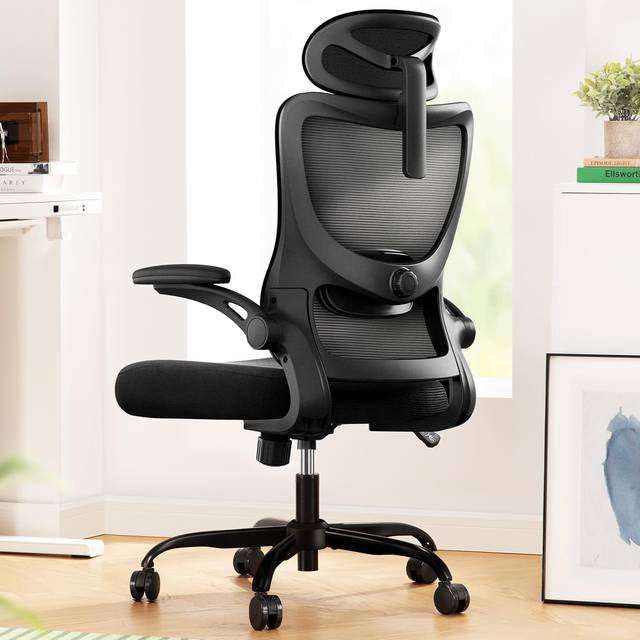
Marsail Office Chair
Thick 3-inch cushion holds up at 275 lbs, flip-up armrests, 7-step assembly
Plastic frame, jury is out on long-term durability, recline only locks upright
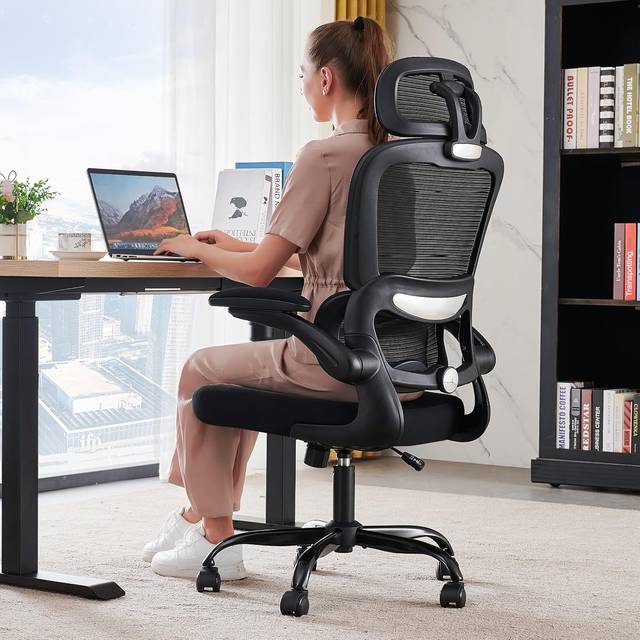
TRALT Office Chair
Lumbar that actually moves, fast replacement parts, mesh in Texas heat
Seat depth is tight for taller users, basic armrest padding
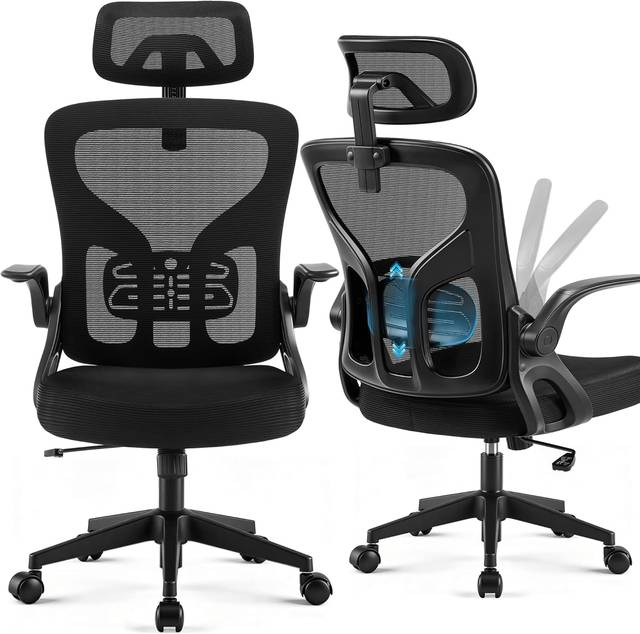
Hayelf Office Chair
Real adjustable headrest, high-back mesh, fits 6'4" frames
Newer to market, fewer long-term reports
Prices and availability were captured from Amazon Creators API and may change.
The mistakes I see every week
Buying a chair without sitting in it for at least a week. This is the big one. People read a spec sheet, see "adjustable lumbar," and pull the trigger. Then they sit in it for nine hours on a Tuesday and realize the lumbar hits them in the wrong spot, or the seat is too deep, or the armrests dig into their forearms by hour four. You can't tell from a showroom test. You can't tell from a 20-minute sit. I run a 9-hour marathon day with no standing breaks as my personal benchmark, and I keep a sensor pad under my back that measures pressure distribution, because my lumbar isn't in an S shape and neither is yours, and a chair that pushes on the wrong vertebrae will hurt you by Friday no matter what the marketing says.
Trusting "ergonomic" as a label. Every chair under the sun says ergonomic now. The word means nothing. What matters is whether the lumbar actually moves and contours, whether the seat depth matches your thigh length, whether the mesh breathes, and whether the armrests get out of your way when you need them to. A fixed lumbar bump is worse than no lumbar at all, because it pushes on the wrong vertebrae. I've measured this. The sensor pad doesn't lie.
Ignoring the seat depth. Seat depth is the most skipped spec on every product page. If the seat is too deep, the front edge cuts into the back of your knees and your feet dangle. If it's too shallow, your thighs don't get support and you end up sitting on your tailbone instead of your sit bones, which is a one-way ticket to lower back pain by 2 PM. Most chair companies list seat depth in the fine print, and most buyers never read it. Read it.
Spending too much on a used "premium" chair. The used Herman Miller market is full of people asking $800+ for chairs with questionable foam and mystery stains. A chair that originally cost $1,200 used to mean something. Today it means the foam is ten years old, the cylinder might be shot, and you're gambling on someone else's worn-out seat cushion. Buy new, buy cheap, buy smart. The Marsail at $118 has a 6'2", 275-pound owner who sat in it 8–9 hours a day for ten months and the cushion didn't flatten. That's the test.
Skipping the assembly test. Thirty to forty-five minutes is the honest range. If the instructions are written by someone who's never assembled anything, that's a preview of what happens when the chair breaks in a year. The Marsail ships with a 7-step assembly, labeled parts, and included gloves. The 5'5" researcher who read "a million articles" before buying called those instructions "technical writing genius" after a 45-minute build. The TRALT ships with labeled parts and fast replacement service when something's missing. A chair that arrives without wheels is a preview of the customer service experience.
Marsail Office Chair
The Marsail is the best sub-$150 chair I've tested, because the cushion holds up at 275 lbs and the armrests actually flip up. Everything else at this price is a compromise. This is a design win.
The cushion is the first thing to fail on most chairs, and the Marsail's is at least 3 inches thick and high-density foam, which is why a 6'2", 275-pound reviewer has been sitting in it 8–9 hours a day, five days a week, for ten months without flattening out. I've watched heavier clients destroy cheaper cushions in six months. The Marsail's holds. That's the real test, not the marketing copy.
The flip-up armrests are not a gimmick. They're the difference between a chair you work in and a chair you play guitar in. One reviewer studying for the bar exam plays guitar in his Marsail with the armrests flipped up. That's a feature he didn't know he needed until he had it. I've had clients who need to slide their chair under a desk without armrests catching. Every reviewer who has flip-up arms loves them.
Assembly is 30 to 40 minutes with labeled parts and a 7-step guide that earns the "technical writing genius" label. The included gloves matter more than you'd think, because the box is heavy and the edges are sharp. I had to wrangle the box up two flights of stairs myself. If you're 5'3" and the box arrives at your door, you'll thank whoever packed those gloves.
Now the honest part: the plastic frame. It feels sturdy to me, and to a 280-pound reviewer who's been using it daily for months. But there's a persistent worry that plastic won't last as long as steel. The jury is out, and that's the honest answer. I've seen plastic frames fail at year two, and I've also seen $1,200 chairs with metal frames that wobble by month eight. The recline only locks upright, which means no mid-recline lock for typing. And the seat cushion could be thicker, according to some reviewers who want more padding. At $118, it's better than anything else in the range, but it's not a $500 chair. You get what you pay for, and what you pay for here is surprisingly good.
TRALT Office Chair
The TRALT is the chair I recommend when someone asks me about mesh in a hot climate, because the lumbar actually moves and the company sends replacement parts fast. Mesh beats faux leather every single time. Faux leather is a sauna by 2 PM in any climate south of Vermont.
A 5'3" woman has been sitting in hers for seven months with zero complaints. Her feet dangle because that's physics, not a chair defect, and the honest reviews admit it. She needed a footrest. If you're 5'3" and your feet don't touch the floor, you need a footrest no matter what chair you buy. That's not a flaw in the chair, that's a flaw in your setup.
The lumbar support is the real story here. "Adjustable lumbar" is the most meaningless phrase in the chair industry. Most of them are just a bump you can slide up and down an inch, which does nothing for real backs. The TRALT's lumbar actually moves and contours to the curve, which is why the 5'3" woman and other long-term owners don't complain about back pain the way they did with their old chairs. The chairs that get complaints are the ones where the lumbar is a fixed lump that hits you in the wrong spot.
The TRALT also has fast replacement parts. One reviewer had a wheel go missing and got a new one shipped out within days. That's a company that knows shipping damages happen and plans for it. The armrests themselves are basic, which is the compromise: you get function over luxury, and for most people, that's the right trade.
What gives me pause is the seat depth for taller users. If you're 6'2" or above, the seat might feel tight in the thighs, and you'll want to check that measurement before you buy. At 5'3" the seat depth is fine. At 6'2" it's borderline.
Hayelf Office Chair
The Hayelf is the chair I'm watching for tall users who need a real headrest, because the high-back mesh design has been in my rotation for a week and I'm curious whether the headrest holds up for the 8+ hours a day the reviewer mentioned. I've got a client who's 6'4" and needs a chair that actually supports his neck, and this might be the one.
The headrest is the standout feature. Most chairs under $200 either skip the headrest entirely or include a flat pad that doesn't actually cradle your skull. The Hayelf's headrest adjusts and tilts, which means it can support the occipital curve instead of just resting against the back of your skull. For someone at 6'4" who leans back to think, that matters.
The mesh back is breathable, which is the only correct material for anywhere south of Vermont. I've had clients in Texas and Florida who would sweat through faux leather by 2 PM. Mesh fixes that. The reviewers in hot climates are unanimous about this, and they're right.
The flip-up armrests are here too, which is becoming my non-negotiable list. If a chair doesn't have flip-up arms, I don't recommend it. Musicians, artists, and anyone who's tried to slide a chair under a desk knows why.
The honest concern: the Hayelf is newer to my rotation and to the market, which means fewer long-term reports. I want to see how the mesh holds up at month six, month twelve. The "jury is out" phase is where most chairs fail, and I want to see who's still happy at the 12-month mark. If you're buying today, you're betting on early signals. Those signals are good, but they're not a year of data yet.
The corrections that actually fix your back
Measure your thigh length before you buy. Sit on a flat surface, knees at 90 degrees, and measure from the back of your hip to the back of your knee. That number is your target seat depth, give or take an inch. Most chairs list seat depth in the spec sheet. If they don't list it, assume the worst.
Set your lumbar to the curve of your lower back, not the curve the chair came with. Sit in the chair for 20 minutes. If the lumbar pushes on your mid-back instead of your lower back, slide it down or pick a different chair. A fixed lumbar in the wrong spot is worse than no lumbar at all.
Get a footrest if your feet dangle. A 5'3" client of mine sits in a TRALT with a footrest under her desk, and she has zero lower back complaints after seven months. The footrest is $25. The alternative is dangling feet and a compressed lumbar curve by Wednesday.
Stop buying used "premium" chairs. The $800 used Herman Miller market is full of dead foam, worn cylinders, and mystery stains. A new $118 chair with a thick cushion will outlast a used $800 chair with a flattened one. The math is simple.
What I'm testing next
The Hayelf stays in my rotation for another month before I write a full review. The 6'4" client is coming in next week to try it, and if his neck doesn't hurt after a full workday, this might replace the TRALT for tall users on my recommendation list. I'll update this page when I have month-two data.