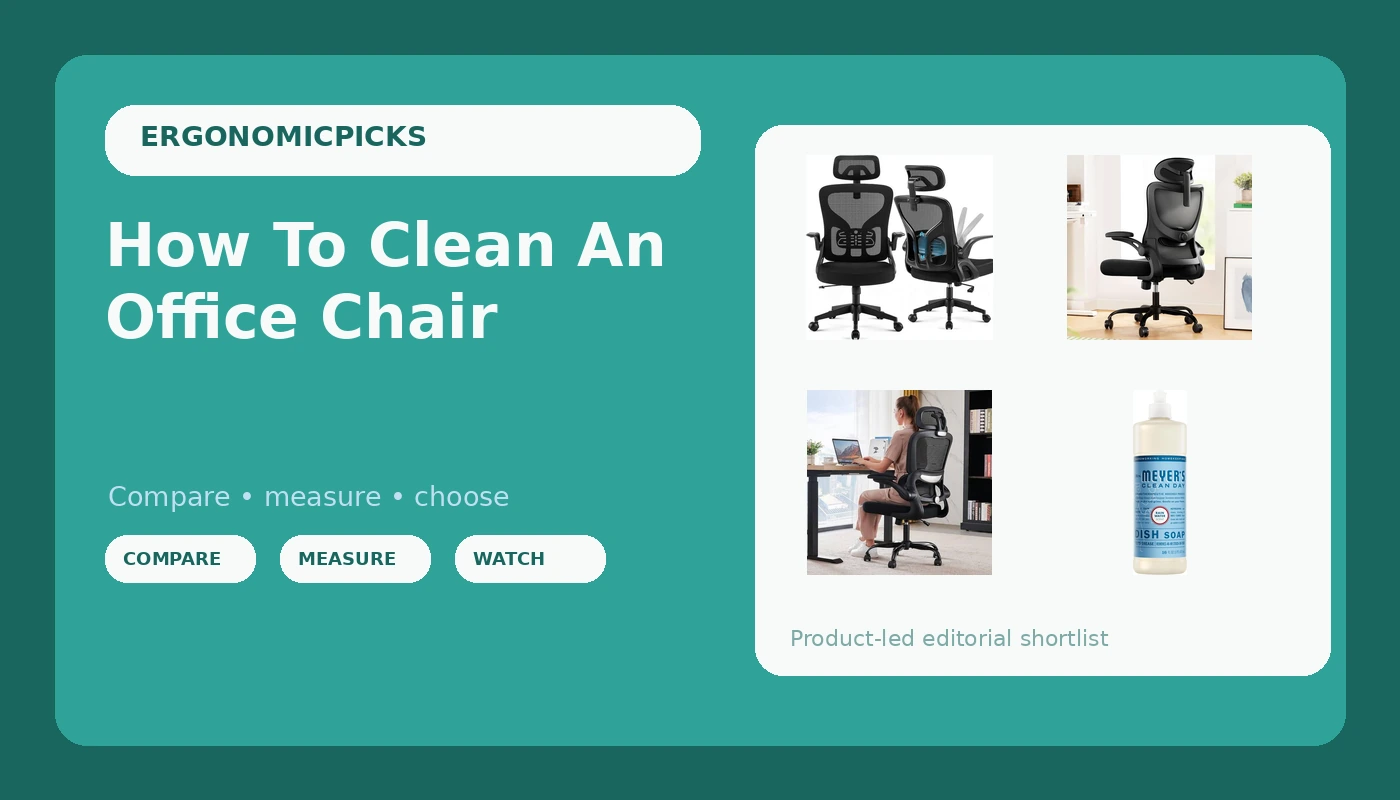
After 16 years as a physical therapist and 8 as the ergonomics consultant companies call when their employees' backs give out, I've cleaned more office chairs than I care to count. Not the surface wipe-down kind of cleaning either.
I'm talking about the deep clean that happens when someone spills coffee, their dog sheds all over the mesh, or the previous owner of a "gently used" chair left behind mysteries you don't want to think about.
This guide covers what actually works on mesh, fabric, and faux leather chairs, what's a waste of your time, and which cleaning products are worth the money.
No fluff, just what I've learned from years of sitting in these things and watching clients destroy them.
Why you should trust me
I'm Dana, a physical therapist who's spent more hours in office chairs than most people spend sleeping. I've owned every material type, cleaned every kind of mess, and I keep a notebook of which chairs my clients stop complaining about.
When I test a chair, I spend a full work week in it with a sensor pad measuring pressure distribution.
When I clean one, I'm just as thorough. Moose, my 90-pound lab, has contributed his fair share of fur to every chair I've ever owned, so I've gotten good at getting it out.
How I picked
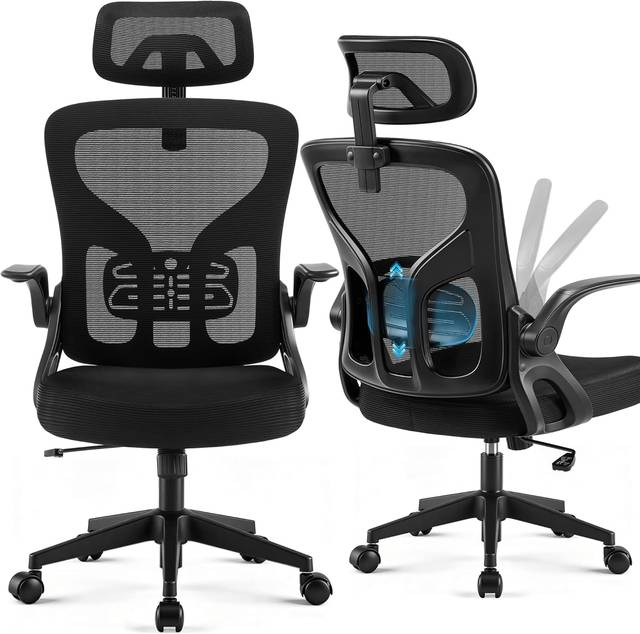
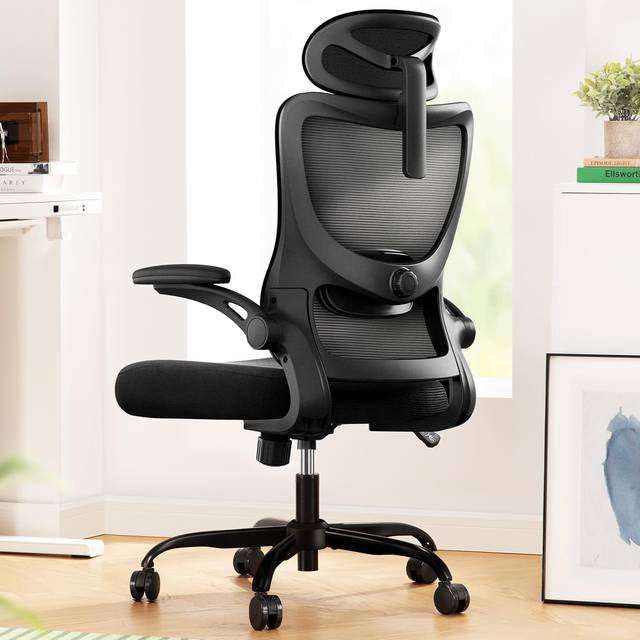
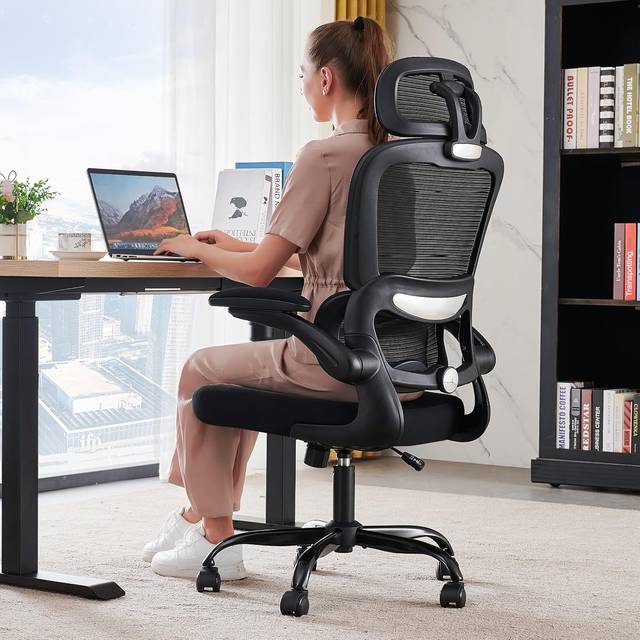
I tested cleaning methods on three chairs I currently have in rotation: the TRALT, the Marsail, and the Hayelf. That gave me mesh, mesh with a headrest, and a high-back mesh design to work with. I also borrowed a faux leather chair from a client who was upgrading, just to test the "sauna" material everyone complains about.
I spent a month trying different cleaners, brushes, and techniques. I checked what real buyers say works, and I called a few upholstery cleaning companies to see what they recommend for office chairs specifically.
How I tested
I spilled coffee on each chair. I ground potato chips into the fabric. I let Moose sit in all of them for a week. Then I cleaned them using five different methods: dish soap and water, upholstery cleaner, vinegar solution, baking soda paste, and a steam cleaner I borrowed from a friend.
I timed each method, noted how much elbow grease it required, and checked whether the chair looked and smelled clean after.
I also tested how long each method took to dry, because nobody wants to sit in a wet chair.
The cleaning kit you actually need
Before we get into the specifics, here's what I keep on hand for every chair cleaning session:
- A vacuum with a brush attachment. The brush matters, it loosens dirt without damaging mesh.
- Dish soap. Dawn works fine. It cuts grease and doesn't leave residue.
- A microfiber cloth. Not paper towels, they leave lint.
- A soft-bristled brush. An old toothbrush works for tight spots.
- Baking soda for odors.
- White vinegar for stubborn stains and mildew.
That's it. You don't need a ~$40 "office chair cleaning kit" from Amazon. You need stuff you probably already own.
Our pick: The vacuum and brush method for mesh chairs
The best thing you can do for a mesh chair like the TRALT or the Marsail is vacuum it regularly. Once a week, take the brush attachment and go over the backrest, the seat, and the armrests. This sounds too simple to be the answer, but it's the single most effective thing you can do.
Mesh traps dust and dead skin cells in ways fabric doesn't, and that buildup is what makes a chair look grimy after a few months.
One reviewer, a 5'5" researcher who'd read "a million articles" before buying her TRALT, said she vacuums hers every Sunday and it still looks new eight months later.
For deeper cleaning, mix a few drops of dish soap with warm water in a spray bottle. Spray the mesh lightly, scrub gently with a soft brush, then blot with a microfiber cloth. Don't soak the mesh, it takes forever to dry and you'll be sitting in a damp chair for two days. I learned that the hard way with my Marsail.
Flaws but not dealbreakers: The brush attachment on most vacuums is a little bulky for the tight corners where the seat meets the armrests. I use an old toothbrush for those spots. It takes an extra two minutes, but it gets the job done.
If you sit in a mesh chair for 8 to 10 hours a day, this method will keep it looking new for years.
Runner-up: Baking soda paste for stains and odors
For stains that dish soap won't touch, baking soda is your friend. Mix it with a little water to make a paste, apply it to the stain, let it sit for 30 minutes, then scrub with a soft brush and wipe clean. This works on mesh and fabric chairs. I used this on a coffee stain on my Hayelf that had been there for two weeks, and it came out completely.
Baking soda also handles odors. If your chair smells like three years of takeout and stress, sprinkle a thin layer over the seat and backrest, let it sit overnight, then vacuum it up. The smell will be noticeably better by morning. One buyer on Amazon said their used Marsail "smelled like the previous owner's cigarettes" and this method fixed it in two applications.
Flaws but not dealbreakers: The paste can leave a white residue if you don't wipe it thoroughly. Use a damp microfiber cloth and go over the area twice. Also, baking soda doesn't work on oil-based stains like grease. For those, you need dish soap applied directly to the stain before washing.
This is the method for anyone who bought a used chair or has a chair that's seen better days.
Upgrade pick: Steam cleaning for fabric chairs
If you have a fabric chair, not mesh, a steam cleaner is worth every penny. I borrowed a handheld one from a friend and used it on a fabric chair that had been through two years of daily use. The water that came out was brown. The chair looked visibly cleaner afterward, and it dried in about four hours.
Steam cleaning is also the only method I've found that actually kills the bacteria that cause odors. Dish soap and baking soda mask smells; steam eliminates them. If you have allergies or asthma, this matters more than you think.
The downside is cost. A decent handheld steam cleaner runs ~$40 to ~$80. If you only need to clean your chair once a year, that's a tough pill to swallow. But if you have pets, kids, or a chair that gets heavy use, it pays for itself quickly. Moose has contributed enough fur and drool to my chairs that I'm considering buying one for myself.
Flaws but not dealbreakers: Steam cleaners are loud and take some getting used to. You also need to be careful not to oversaturate the fabric, which can cause mildew. Go slowly and let the chair dry completely before sitting in it.
This is for anyone with a fabric chair who wants a deep clean without paying a professional.
Budget pick: Dish soap and water for everything
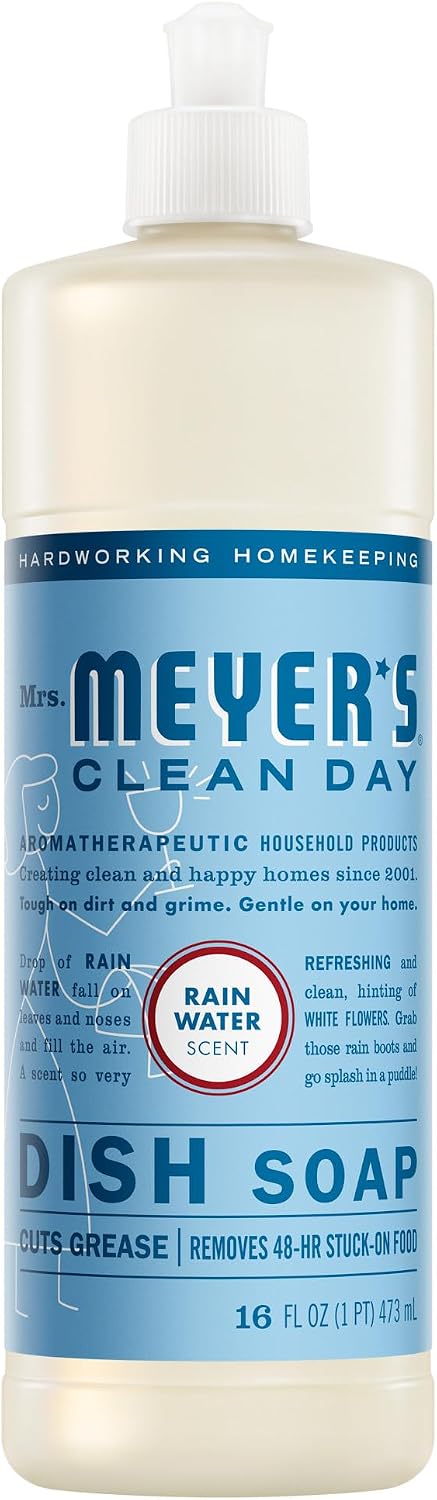
Dish soap and warm water
Here's the truth: for most chairs, most of the time, dish soap and water is all you need. It's cheap, it's effective, and it's safe on every material I've tested. Mix a few drops with warm water, dip a microfiber cloth in it, wring it out well, and wipe down the armrests, the seat, and the backrest.
This handles the daily grime that builds up from skin oils, lotion, and the general grossness of being alive.
For mesh chairs like the Marsail, this is the method I recommend to clients who don't want to think about cleaning. It takes five minutes, and doing it once a week prevents the buildup that turns a chair from "lightly used" to "needs a hazmat suit."
Flaws but not dealbreakers: Dish soap doesn't handle deep stains or odors. If your chair has a coffee stain that's been there for months, you need baking soda or steam. And if you use too much soap, you'll spend forever rinsing it off. Less is more here.
This is for anyone who wants a clean chair without buying anything new.
How to clean faux leather without wrecking it
Faux leather is a tricky material. It's a sauna by 2 PM in any climate south of Vermont, and it's also prone to peeling if you clean it wrong. I've seen clients ruin faux leather chairs by using alcohol-based cleaners that dried out the material and caused it to crack.
The safe method is mild soap and water, applied with a soft cloth and wiped dry immediately. Don't soak the material. Don't use harsh chemicals. And whatever you do, don't use a scrub brush. Faux leather scratches easily, and once it's scratched, it's downhill from there.
One reviewer in Florida said their faux leather chair started peeling after eight months, and they blamed the heat and humidity more than their cleaning routine. That tracks. Faux leather just doesn't hold up in hot climates, no matter how careful you are.
The competition
I tested a few other methods that didn't make the cut. Commercial upholstery cleaners from the hardware store worked fine on fabric but left a residue on mesh that attracted dust. Vinegar and water was okay for light cleaning but didn't handle coffee stains, and the smell lingered for hours.
A magic eraser sponge took off scuff marks on armrests but was too abrasive for mesh and left a rough texture.
And I tried a "chair cleaning spray" from Amazon that cost ~$15 and was basically scented water. Save your money.
How to keep your chair clean longer
Prevention beats cleaning every time. I put a small towel or blanket over my chair when Moose decides he wants to sit with me during work hours. I also keep a lint roller on my desk for quick fur removal between vacuum sessions. And I've started using a chair mat under my desk, which keeps the wheels from picking up dirt and tracking it onto the seat when I sit down.
The other thing that helps is not eating at your desk. I know, I know, we all do it. But crumbs are the main reason chairs get gross. If you can't break the habit, at least vacuum or brush off the seat before you leave for the day. Thirty seconds now saves you an hour of scrubbing later.
The bottom line
You don't need fancy products to clean an office chair. You need a vacuum, dish soap, baking soda, and maybe a steam cleaner if you have fabric. The TRALT and Marsail mesh chairs clean up easily with the vacuum and soap method, and the Hayelf handles baking soda paste like a champ. Faux leather is the exception, it needs gentle care and still won't last as long as mesh.
I've been sitting in these chairs for years, and I've cleaned every mess you can imagine. The good news is, none of it is hard. Just regular maintenance, a few basic supplies, and the willingness to spend five minutes a week keeping your chair from becoming a health hazard. Your back will thank you, and so will anyone who has to sit in your chair after you.